
OUR BLOG
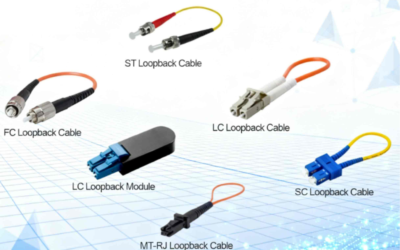
Loopback Cables Explained: How to Test and Troubleshoot Your Network
Network diagnostics shouldn't always require two technicians or complex remote setups. Whether you are validating a new deployment or troubleshooting a dead port, the loopback cable is one of the most efficient tools in a network engineer's kit.This guide explains...

OM1 VS OM5 Fiber Guide: Bandwidth & Max Distance Charts (2025)
OM Fiber Types Overview OM (Optical Multimode) fiber comes in five generations. Each one is built for specific bandwidth and distance needs. OM1 fiber through OM5 fibe show steady improvements in multimode fiber optics. They differ in core size, light source types,...

Optical Transceiver vs. Fiber Optic Module: What’s the Difference?
IntroductionEngineers, purchasing managers and installers often see the terms Transceiver, optical module and fiber optic module used interchangeably — and that causes confusion. This article answers the question directly and precisely: what each term usually means,...

Bend-Insensitive Fiber: What It Is And Why It Matters
Every time a fiber optic cable snakes around a sharp corner or squeezes into a cable tray, it risks losing light—and with that, signal quality. Modern networks, however, increasingly rely on fibers engineered to tolerate tight bends without measurable performance...

Single-Mode Vs Multi-Mode Fiber: Which One Should You Use?
IntroductionChoosing between single-mode and multi-mode fiber comes down to one simple question: where will the cable actually live, and how long must the light travel? Below I strip the jargon to the essentials you need to make a practical, cost-sensible choice for...

How Many Fiber Cables Do You Need? Choosing The Right Fiber Count For Projects
Picking the correct number of fibers for a project is more practical than glamorous — but get it wrong and you pay for the mistake for years. This guide walks you through the simple decision steps engineers use, the common strand counts on the market, and clear...