
Top LC Connector Fiber Suppliers in the United States
The U.S. fiber optic market has several proven manufacturers. These companies handle LC connector production and distribution well. Public data on LC-specific suppliers is limited. But several key players show strong expertise in this area.

Leading U.S.-Based Suppliers
L-com works out of North Andover, Massachusetts. They’ve built a solid name in connector manufacturing and cable assembly. Their products include various fiber optic solutions. You’ll find LC connector assemblies for commercial and industrial uses.
CommScope sits in Hickory, North Carolina. They’re one of the bigger infrastructure providers for fiber optics. The company makes Fiber optic connectors and complete cable solutions. They serve telecom and enterprise networks nationwide.
Opticonx in Putnam, Connecticut focuses on fiber optic interconnect cables. Their expertise in interconnect technology works well for LC connector needs. This is especially true for custom cable assembly projects.
Cability, Inc. does things differently. They specialize in custom cable solutions with fiber optic connectors. This custom approach helps with projects that need specific LC connector setups beyond standard options.
1.Corning Inc.
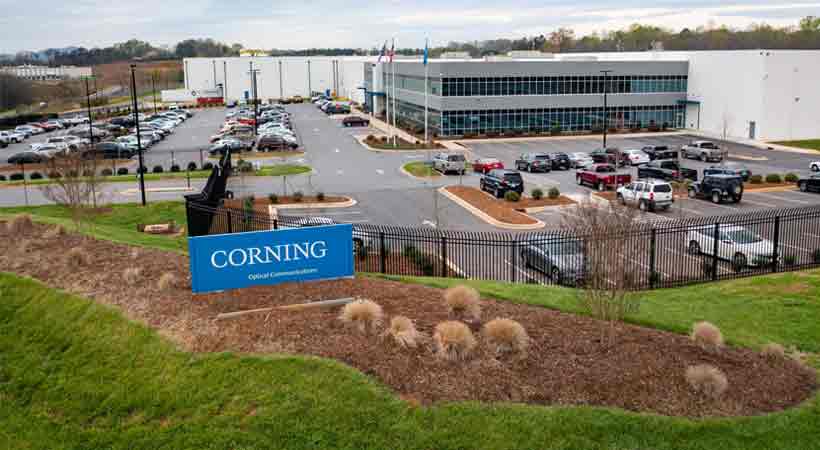
Corning Inc. holds a 10.4% global market share in fiber optics. Over 5 billion kilometers of their fiber cable run worldwide. They made history in 1970. That’s the year they created the first low-loss optical fiber. This breakthrough changed telecommunications forever.
The company’s SMF-28® Optical Fiber set the industry standard for long-distance telecommunications. You’ll find this technology in Lc Connector Fiber installations across telecom networks and data centers. Other manufacturers use it as their benchmark specification.
Innovation That Defines Modern Networks
Corning took fiber technology to the next level with bend-insensitive fibers. These solutions cut micro-bend loss by 10x compared to standard fibers. High-density installations need this. Cables twist through tight spaces. Signal quality stays strong. LC connector assemblies use this technology. They keep signal integrity even in cramped server racks.
Their G.654.E ultra-low-loss fibers serve next-generation infrastructure. These fibers meet the tough requirements of 5G networks and hyperscale data centers. Lower attenuation means longer transmission distances. Signal quality stays intact. LC connector fiber applications in modern cloud infrastructure get better performance. Deployment costs drop too.
Market Leadership Position
Industry rankings place Corning as the #1 fiber optic cable manufacturer in the United States. Their solutions power critical telecommunications infrastructure around the world. The company stays on top through continuous innovation. They don’t rest on past achievements.
Data centers need Corning’s fiber solutions. So do telecommunications providers and 5G infrastructure projects. You specify LC connector fiber systems for enterprise or carrier-grade applications? Corning’s technology often forms the foundation. You can source from them or through their partner network.

2.Panduit
Panduit ranks as the #2 fiber optic cable manufacturer in the United States. They’ve built this spot over decades of making infrastructure solutions. Enterprise networks, data centers, and industrial facilities across the country use their products.

Enterprise-Grade Fiber Solutions
Panduit’s fiber optic lineup covers all network infrastructure needs. Their LC connector fiber products work with broader cabling systems. Organizations wanting one vendor for everything find this helpful. You get the same quality across your whole network setup.
Panduit focuses on enterprise and industrial uses. Data center managers trust them for high-density fiber setups. Their products solve cable management problems in modern server rooms. Panduit’s LC connector assemblies fit tight spaces. Performance stays strong.

Industry Reach and Support
Panduit has a strong distribution network across the United States. Authorized distributors in most major markets carry their products. Technical support teams know real-world setups. They help with design specs and installation.
Panduit serves many industries beyond traditional IT. Manufacturing plants, hospitals, and government offices use their fiber products. This wide market reach means their LC connector fiber meets many certifications and standards.
Projects needing documented compliance and long-term reliability? Panduit has proven records. Their spot as the second-largest U.S. manufacturer shows consistent delivery. Customer trust built over years proves it.
3.CommScope
CommScope has over 40 years of fiber infrastructure expertise. The company ranks #3 among LC Fiber Optic Connector suppliers in the United States for 2025. Their Hickory, North Carolina headquarters handles nationwide distribution for telecom and business clients.
Specialized LC Connector Portfolio
CommScope built their LC connector fiber lineup for tough environments. Ruggedized LC connectors work in industrial setups where standard connectors break down. Factory floors and outdoor telecom cabinets get the benefit of this durable design.
High-density data centers need space-smart solutions. CommScope offers high-density LC variants that pack more connections per rack unit. You fit more fiber ends in tight panel space. This makes top-of-rack switching simpler.
Signal quality counts in long-distance setups. Their low-reflectance LC designs cut down back-reflection issues that hurt high-speed networks. Optical return loss specs beat industry standards. Network engineers get cleaner signals across 40G and 100G links.
Bend-insensitive multimode LC connectors fix cable routing problems in tight server racks. These parts keep working through sharp 90-degree bends. Signal loss stays low even in awkward cable paths with limited space.
Innovation Through Collaboration
CommScope speeds up product development through key partnerships. Their patent pools include shared intellectual property from Optical Cable Corporation. This team effort brings new LC connector designs to market faster than solo competitors.
Green practices guide manufacturing choices. RoHS and REACH compliant materials meet European standards that often top U.S. requirements. Eco-packaging efforts reduce waste while keeping products safe during shipping.
Buyers who care about sustainability value CommScope’s proven green commitments. Data center operators who balance performance with green building standards find compatible LC connector fiber solutions here.
4.Wolonfiber
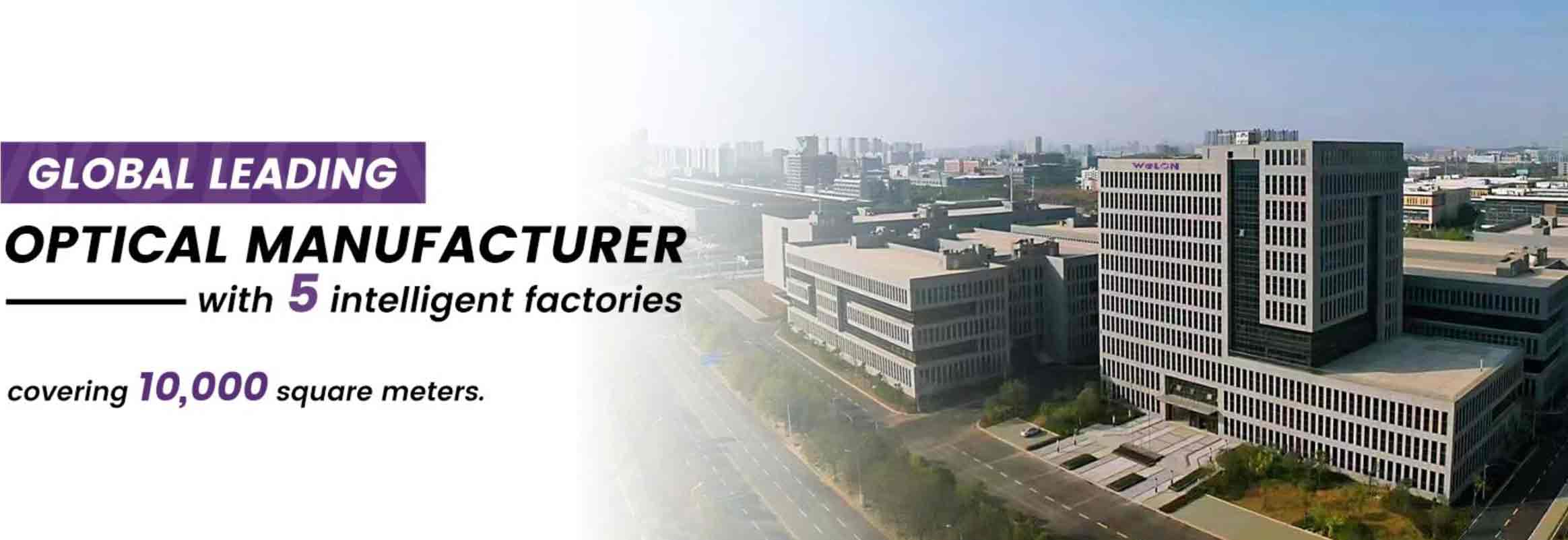
Wolonfiber has rapidly evolved from a low-cost contract manufacturer into a full-service global contender for LC connector fiber assemblies. Operating out of advanced, highly automated factories in China, Wolonfiber leverages scale, automation and tightly integrated supply chains to offer prices that undercut many traditional suppliers—company claims of up to ~40% cost savings for North American buyers are widely cited by purchasers seeking aggressive budget targets.
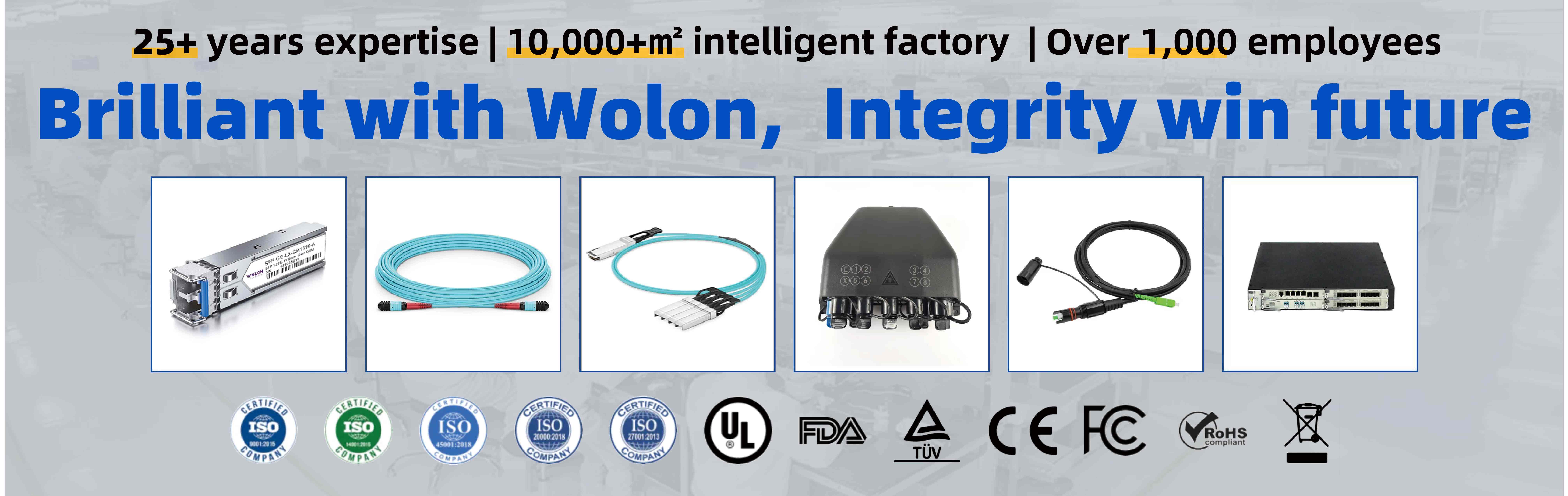
WolonFiber stocks broad ranges of single-mode and multimode LC patch cords, pigtails, and pre-terminated trunking, and routinely ships both standard and highly customized assemblies from regional North American warehouses to meet tight project timelines.

Competitive manufacturing + engineering support
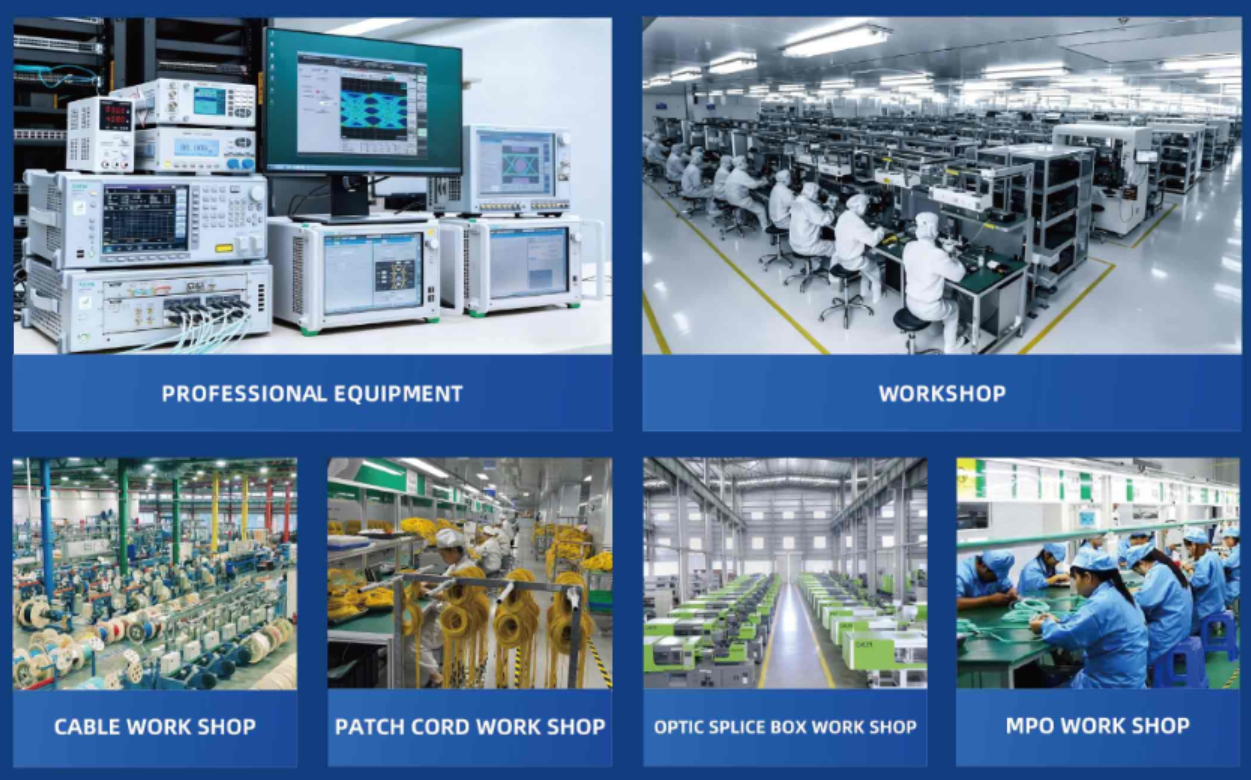
What sets Wolonfiber apart is the combination of automated manufacturing and an engineering-led custom service. Fast prototyping and short-run tooling let their R&D and production teams turn customer specs into working samples in days rather than weeks.
For projects that need non-standard LC variants—ruggedized housings, keyed polarity variants, non-standard boot geometries, or specialized cable jackets—Wolonfiber positions itself as the partner that will design, prototype and ramp to volume faster and at a lower price point than many legacy vendors.
Expanded North American footprint & logistics
Wolonfiber’s push into North America is more than a marketing line: the company now operates multiple regional stocking points and distribution partners to cut lead times and avoid long ocean freight delays. For procurement teams this translates to lower landed costs, simpler warranty returns, and the option to hold safety stock domestically. Their logistics model is explicitly designed to serve fast-moving data center rollouts and OEM programs that demand predictable, JIT delivery.
Product breadth and application focus
Beyond commodity patch cords, Wolonfiber offers a portfolio tailored to modern deployment challenges: high-density LC duplex and quad assemblies for hyperscale racks, LC-to-LC MPO breakout harnesses, and field-installable LC connectors for rapid onsite termination. They push bend-insensitive fiber options for cable managers battling tight routing paths and offer tailored length and labeling options to speed installs. Customers repeatedly report strong pricing on both standard and high-spec parts, making Wolonfiber attractive for large-scale cloud builds, ISP rollouts and cost-sensitive enterprise upgrades.
5.AFL
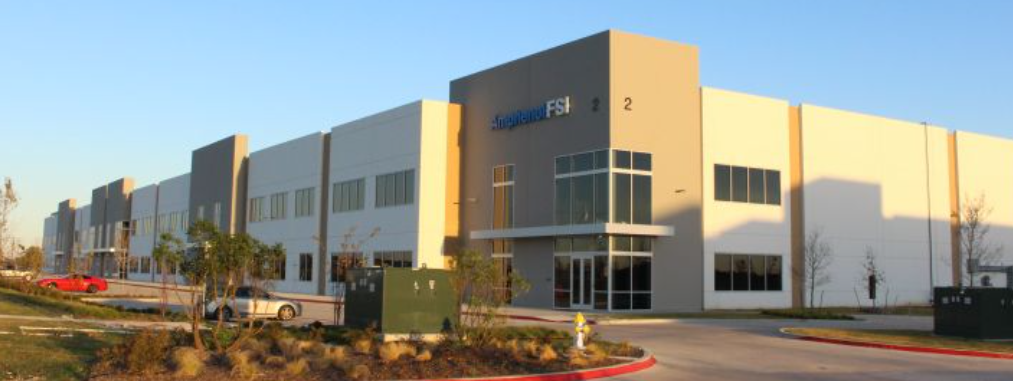
AFL (Amphenol Fiber Systems) leads the electric utility fiber market. They operate from Duncan, South Carolina. Over 6,000 employees work here. The company brings in more than $1 billion in annual revenue. Utilities and telecom carriers turn to AFL. Standard LC connector fiber products fail in outdoor conditions. AFL’s don’t.
Tough Environment Solutions
Outdoor fiber setups face wild temperature changes. Regular connectors break down. AFL’s sealed LC connectors work from –40°C to +75°C. Performance stays solid. Fiber-to-the-home (FTTH) builds need this strength. So do metro-access ring networks. Ice storms hit. Summer heat beats down. Humidity rises. These sealed designs keep working.
Underground vaults get wet. Aerial spans move in wind. AFL builds LC connector fiber assemblies that handle this. Electric utilities put fiber next to power lines. Data center parts can’t cut it here. You need tougher gear.
Full Fiber Build Systems
AFL offers more than just connectors. We cover your entire fiber build. Fusion splicers, connectorized pigtails, and field-installable connectors – all from one place. Project managers can skip the headache of mixing vendor parts. Everything works together. Compatibility issues? Gone.
Field techs need the right training for fiber work. AFL University certification courses show you the best way to install connectors. Crews get hands-on practice with proper cleaving and testing. Good training means fewer bad connections. Service calls drop too.

Meeting Industry Standards
AFL products match IEC and TIA certification requirements. Telecom infrastructure runs on these standards. Utility-grade setups require proof of compliance. Audits happen. Regulators check the work. AFL’s test records back up every LC connector fiber assembly. Performance meets spec.
Specialized fiber systems make installation faster. Pre-terminated solutions save field labor hours. Custom cable lengths ship ready to plug in. Crews finish each connection point quicker. Labor costs go down.
Additional Suppliers
Beyond the major players, you’ll find specialized firms that deliver quality LC connector fiber solutions across the United States. These suppliers fill specific niches that larger manufacturers often miss.
Regional and Specialized Options
Fiber Instrument Sales (FIS) operates from Oriskany, New York. They focus on fiber optic testing gear and connectivity products. Their LC connector stock supports lab setups and field testing work. Technical teams value their deep knowledge of measurement standards and connector specs.
OpticalCon focuses on harsh environment use. Entertainment venues, broadcast facilities, and industrial automation projects use their rugged LC connector assemblies. Standard office-grade parts fail under stage lighting heat. They also fail under production floor vibration. OpticalCon builds reinforced housings that survive these conditions.
Networx serves budget-conscious buyers from their California distribution center. Small business setups and residential fiber projects find their pricing competitive. Standard LC duplex assemblies ship same-day from regional stock. Performance specs meet TIA-568 requirements. No premium pricing needed.
Optical Cable Corporation (OCC) manufactures in Roanoke, Virginia. Military and government contracts form their core business. Security-cleared facilities need domestic fiber components. OCC’s Made in USA certification satisfies Buy American Act requirements. Their LC connector fiber assemblies clear strict procurement standards.
Distributor Networks
National electronics distributors stock LC connector fiber from multiple brands. Graybar, Anixter, and Sonepar keep inventory across major metro areas. Project managers compare specs and pricing from different makers through one Contact. Emergency replacements ship within hours from local warehouses.
Smaller regional distributors often give better technical support for tricky installations. They know local building codes. Plus, they understand fiber routing challenges specific to your area.