
When networks run underground, along rural rights-of-way or through older ducts, rodents are one of the silent enemies of uptime. A single rat or persistent vole can chew through a plain polyethylene jacket and cause hours of downtime. The right armored construction — corrugated steel tape, steel wire armor, interlocking aluminum, or modern non-metallic FRP/GRP layers — changes that dynamic: it prevents penetration, adds crush resistance, and (in many designs) eliminates the need to ground a metallic armor. Leading cable makers combine mature mechanical design with installation-friendly features so you get protection without sacrificing fiber density or ease of access.
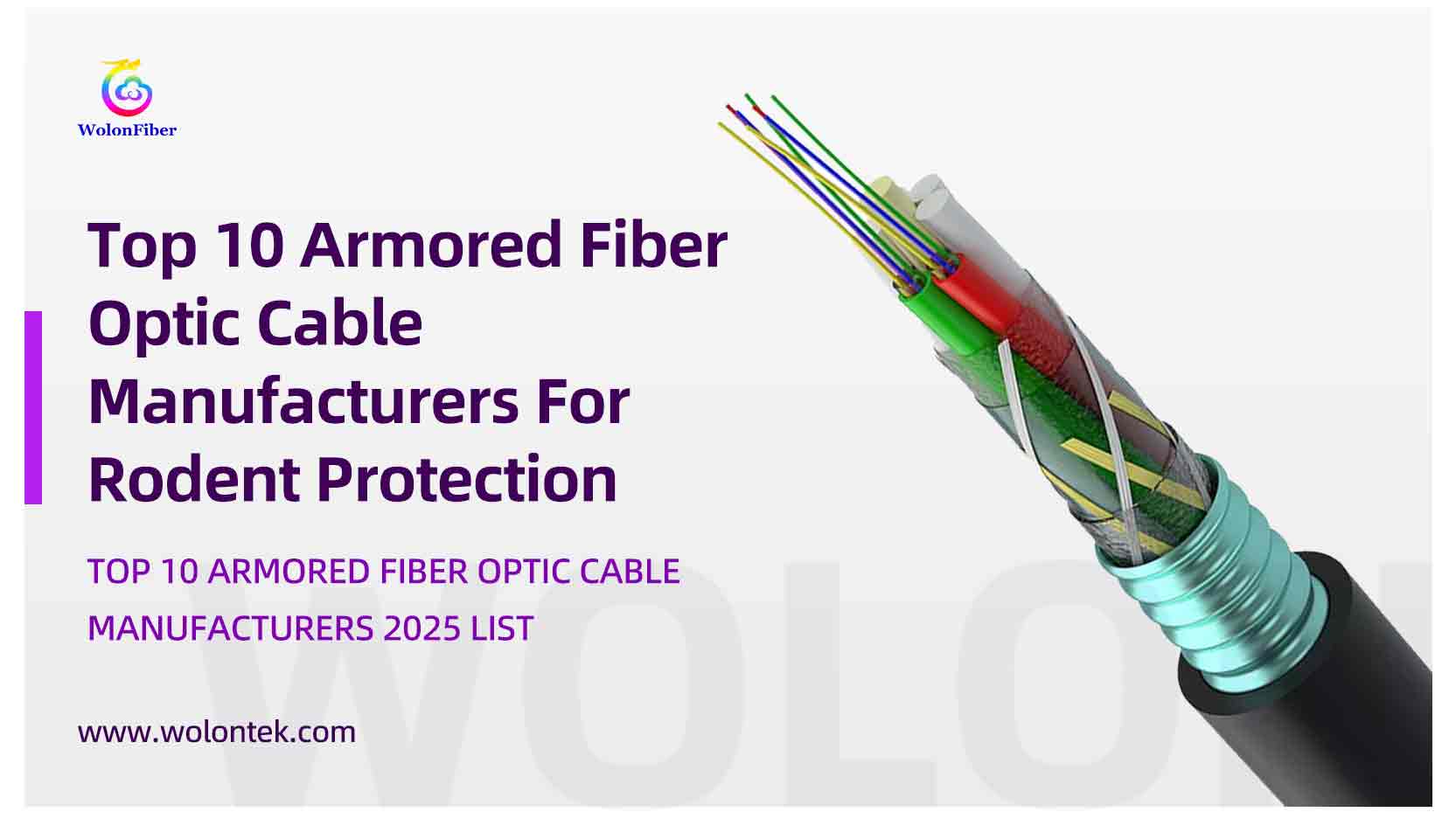
Below are the top ten manufacturers you should consider when rodent protection is a hard requirement. Each entry highlights the armor style(s) they offer, where they excel, and what makes them a safe bet for direct burial, duct, or aerial lashed installations.
1. Prysmian Group
Why choose them: Prysmian offers a wide range of rodent-protected designs — from corrugated steel tape to all-dielectric FRP armoring — and publishes technical guidance on non-metallic armors that resist rodent attack while avoiding grounding requirements.
Their field-tested “ezPREP” and ARM@CORE families make mid-span access and installation easier without losing protection. Prysmian is a sensible first choice where global support and a broad product palette matter.
2. Corning
Why choose them: Corning’s outdoor armored portfolio (single-armored and double-armored constructions) is engineered for UV, burial and abrasion resistance.

Their ALTOS/InfiniCor lines are widely used for direct burial and duct work; spiral or corrugated steel armoring options give proven rodent protection in many product SKUs. Corning’s documentation makes it easy for specifiers to match armor type to environment.
3. OFS (a Furukawa company)
Why choose them: OFS’ Fortex™ and DryBlock® armored cables pair corrugated steel or ECCS armor with modern gel-free cores for low prep time and reliable rodent resistance.

Their armored OSP designs balance light weight with ruggedness — a practical option for long duct runs and direct burial where installation speed matters.
4. CommScope
Why choose them: CommScope’s OSP portfolio includes corrugated steel and GRP armored options built for global deployment.
Their product pages clearly list armor types and rodent-resistant GRP/FRP constructions for indoor/outdoor and outside-plant use — useful when you need region-specific approvals and ready distribution.
CommScope is a strong choice where product availability and regional support are priorities.
5. Nexans
Why choose them: Nexans manufactures unitube and loose-tube cables with dielectric FRP layers and corrugated steel tape armor for full rodent protection.

Their railway and duct cables frequently employ glass-fibre strength elements for added bite resistance, making Nexans a solid pick for infrastructure projects where both mechanical toughness and low flame propagation matter.
6. Sumitomo Electric
Why choose them: Sumitomo brings heavy engineering experience to high-count and armored cable designs, including versions with steel armor and high strength jackets developed specifically to resist rodent attack.
Their Freeform Ribbon and armored monotube products are useful when you need high fiber density plus mechanical protection.
7. AFL / AFL Hyperscale
Why choose them: AFL’s non-metallic armored cables (FRP/GRP) are explicitly specified as termite and rodent resistant.

AFL supplies both all-dielectric armored and steel tape armored forms with very high fiber counts — a practical solution for utility and long haul networks where corrosion and grounding are concerns.
If you prefer non-metallic armoring to avoid bonding, AFL is worth a close look.
8. Belden
Why choose them: Belden’s outdoor loose tube and central loose tube families are offered with steel wire armor or corrugated steel tape armor for “full rodent protection.”
Their data sheets call out both metal and FRP armoring options, and Belden’s portfolio often targets integrators who want ready-to-order SKUs for direct burial and duct installations.
9. YOFC (Yangtze Optical Fibre and Cable)
Why choose them: YOFC is vertically integrated — fiber through cable — and provides armored and “biologically protective” cable constructions that call out anti-animal/rodent measures.
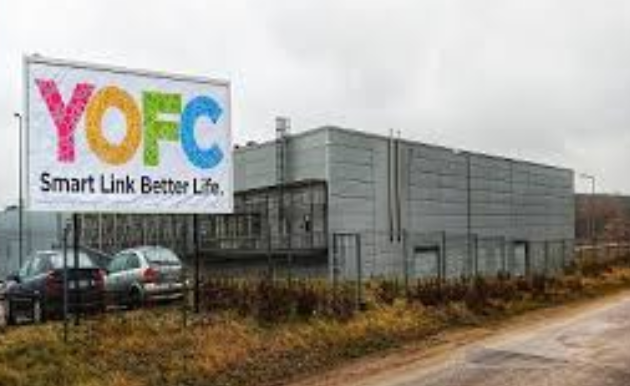
Their scale and product breadth make them competitive for large backbone and municipal deployments.
For projects that favor high volume suppliers with local manufacturing touchpoints, YOFC frequently appears on RFQs.
10. Wolonfiber (Wolon Communications / Wuhan Wolon) — Emerging, highly aggressive option
Although younger than the legacy global giants, wolonfiber has leaned into armored, rodent-protected constructions and guarantees short lead times for export orders.
For B2B buyers who value fast MOQ turnarounds, aggressive pricing, and custom plating/armoring options (corrugated steel, steel wire, FRP), wolonfiber combines Chinese manufacturing scale with Western QA processes.
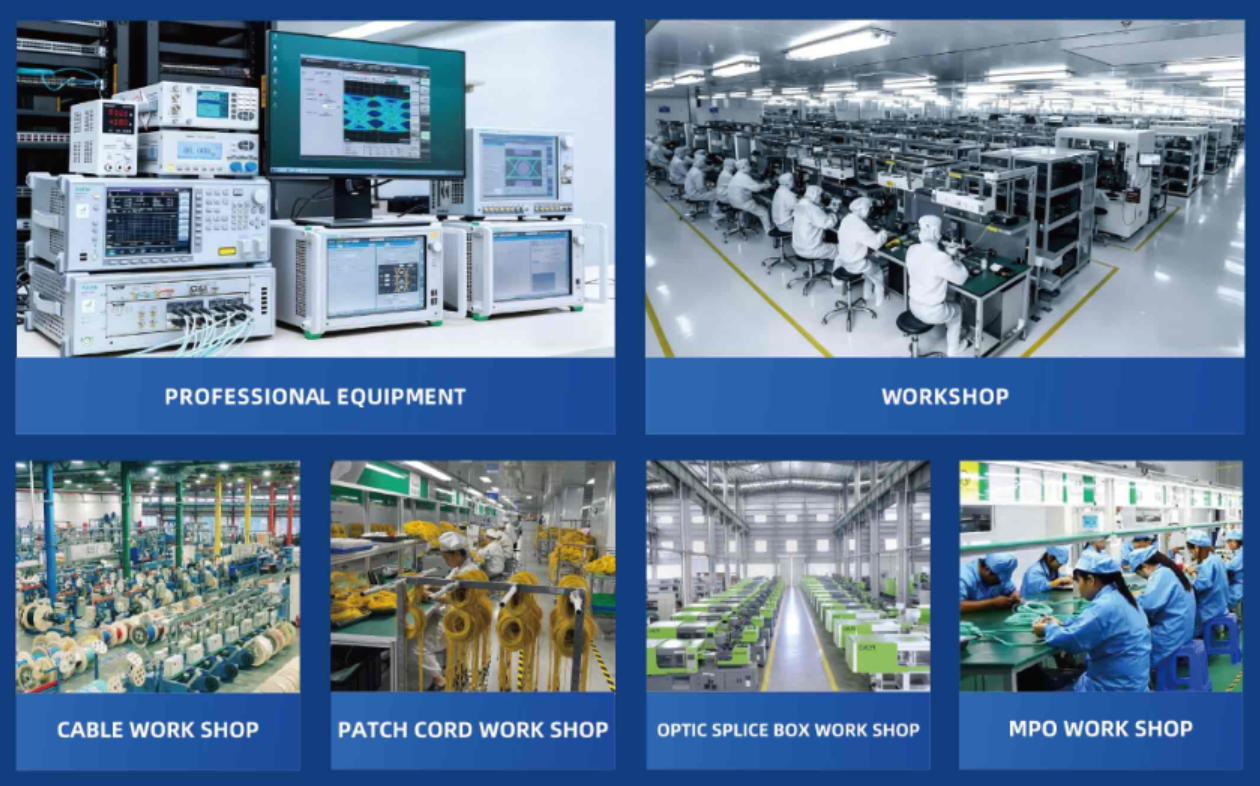
In pilot projects, wolonfiber reports production throughput capable of supplying multiple medium-sized OSP projects per month and offers tailored anti-rodent layers (glass-yarn deterrent, FRP slabs, or dual armored jackets) on request.
