Is your data center or campus network best served by Single Mode or Multimode Optical Modules? Choosing between Single Mode and Multimode Optical Modules will shape cost, reach and upgrade paths. This guide breaks down practical differences—core geometry, wavelengths, connector types, performance limits, cost trade-offs, and ideal use-cases—so you can pick the right optical modules with confidence.
Core geometry and how light travels
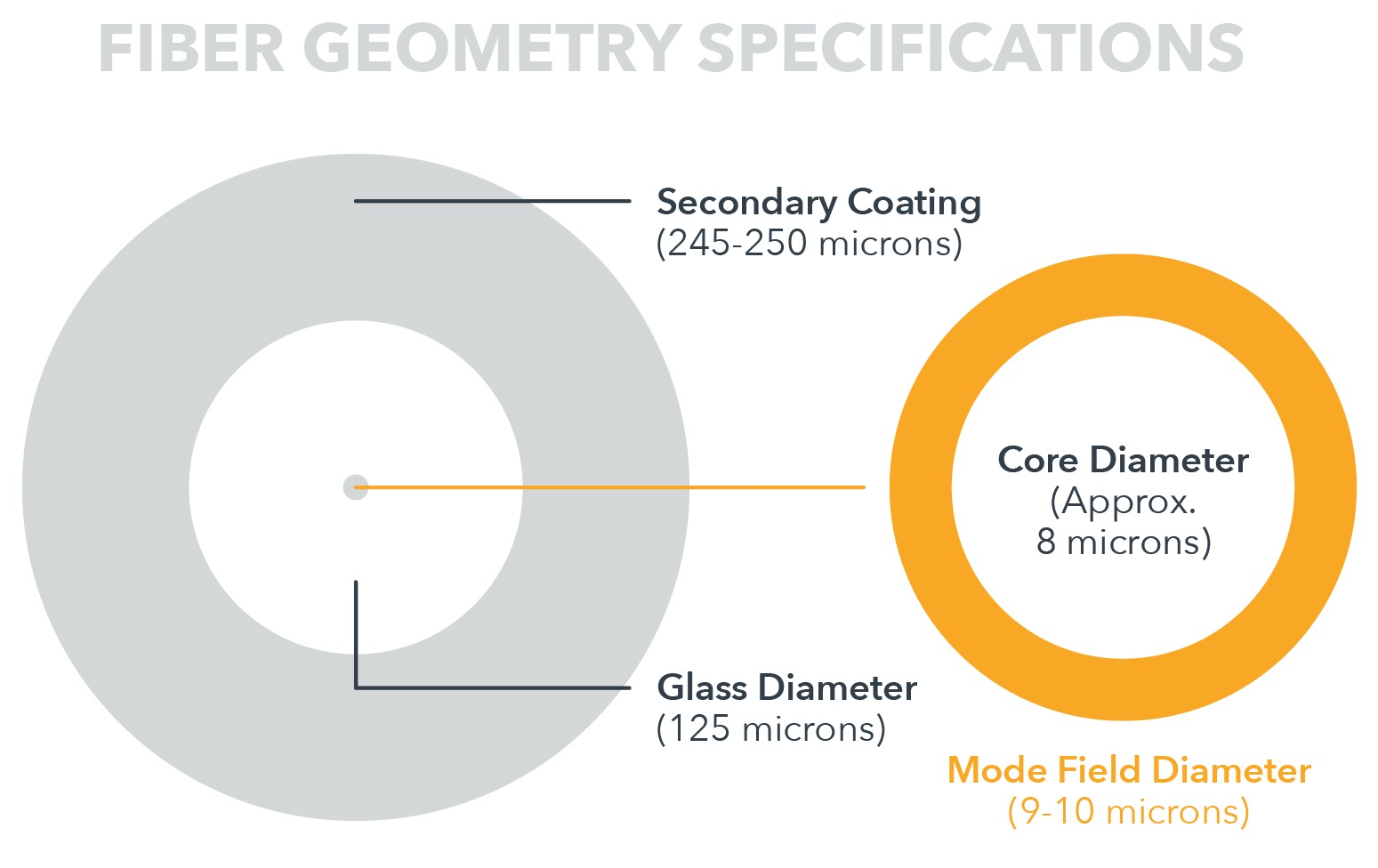
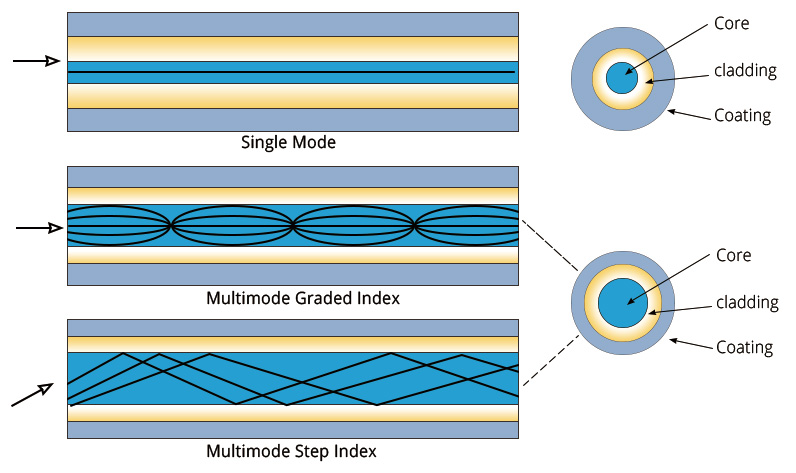
Single-mode fiber uses a 9/125 µm core/cladding structure that supports only one propagation mode, which minimizes modal dispersion and allows signals to travel tens of kilometers with low attenuation.Multimode fibers have larger cores (typically 50/125 µm or 62.5/125 µm) and support multiple propagation modes; that wider core simplifies connector alignment and reduces connector costs but increases modal dispersion and limits reach for equivalent data rates.
Wavelength and transceiver technology
Multimode optical modules commonly operate at 850 nm (VCSEL-based) for short-range links; some multimode transceivers also use 1310 nm for medium-range links. Single-mode modules usually run at 1310 nm or 1550 nm using laser sources optimized for long-reach transmission.Because single-mode transceivers use laser diodes and more precise optics, they generally cost more than multimode modules at equivalent data rates, but they provide far greater distance and DWDM compatibility when required.
Bandwidth, modal dispersion and reach
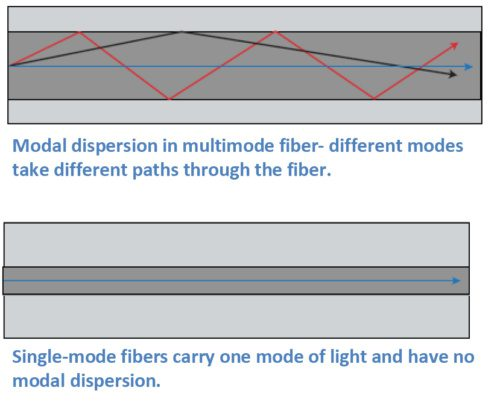
Modal dispersion in multimode fiber places a practical ceiling on distance as data rates rise. Modern laser-optimized multimode grades (OM3, OM4, OM5) extend usable reach—OM3 and OM4 support 10G, and with parallel optics they support 40G/100G in many data-center layouts—but single-mode remains the default for carrier, metropolitan and long-haul deployments because it preserves signal integrity over kilometers.
Standards and typical distances
Standards bodies and vendors publish link-distance guidance. For example, 10GBASE-SR over OM3/OM4 can support hundreds of meters in data-center scenarios, while 40GBASE-SR4 and 100GBASE-SR4 rely on parallel multimode arrays with specified limits (often 100–150 meters per 802.3 standards, extendable by proprietary optics). Single-mode modules such as 10GBASE-LR or 100G-LR4 are specified for kilometers of reach, suitable for campus and long-haul backbone links.
Connector types, polarity and cabling density
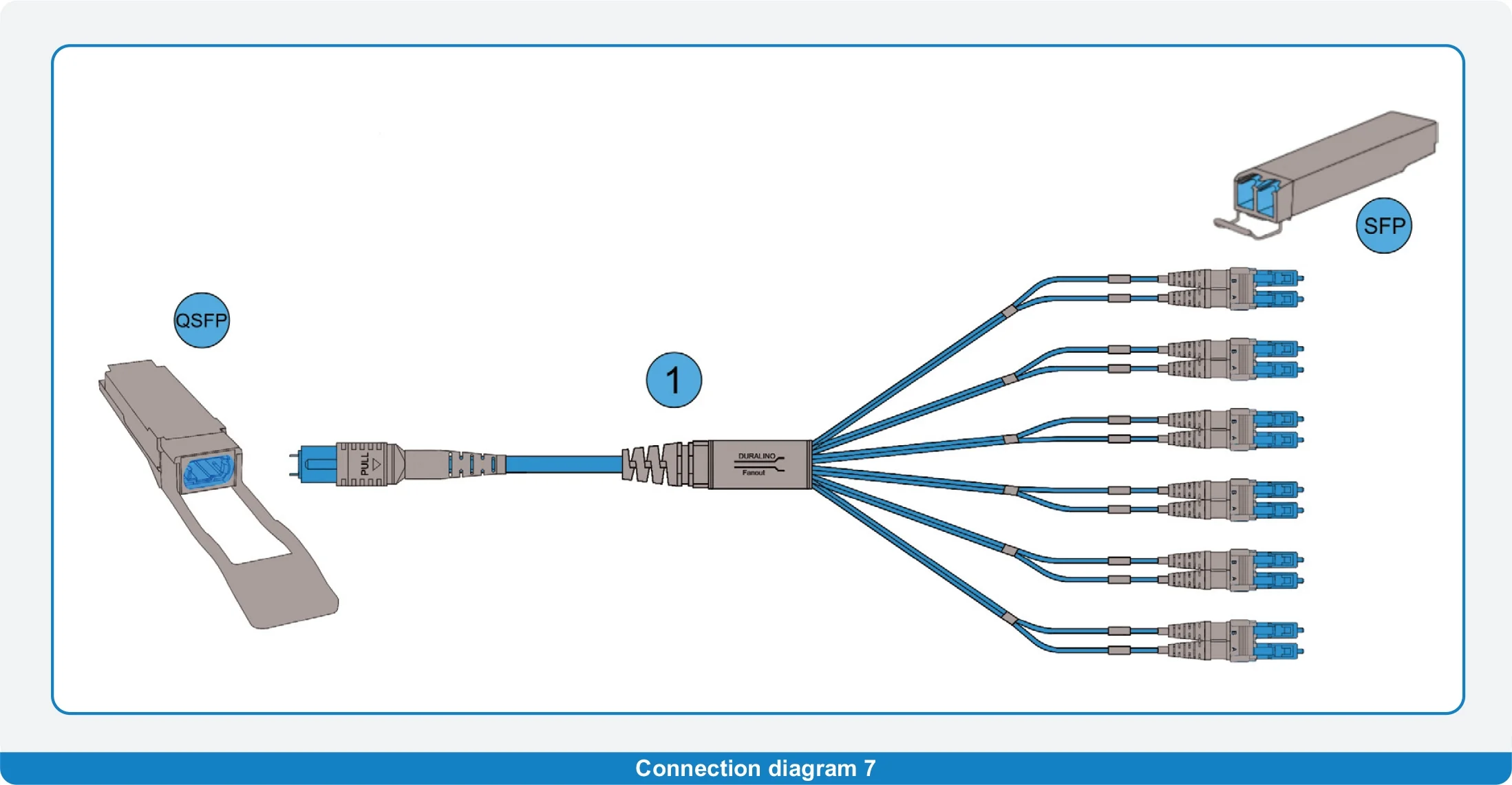
Both Single Mode and Multimode Optical Modules commonly use LC, SC, and MPO/MTP connectors. Multimode MPO assemblies are widely used for 40/100G parallel optics in high-density data centers; MPO/MTP multimode trunks help maximize port density at the patch-panel and top-of-rack level. Single-mode MPO exists, but short-reach data-center architectures more commonly use LC duplex or single-fiber SR solutions for lower-loss, longer-distance applications.
Cost comparison and total cost of ownership (TCO)
Initial fiber cable costs vary with grade and jacket type, but the dominant TCO difference often comes from transceivers. Multimode optical modules (VCSEL-based) tend to be less expensive—sometimes significantly—than comparable Single Mode modules because of simpler laser sources and optics. However, total lifecycle costs must consider future-proofing: single-mode links can support higher distances and wavelength-division multiplexing (DWDM) without replacing fiber, which can save money if long-range or high-capacity upgrades are later required. Market reseller analysis supports the general observation that multimode transceivers are cheaper on an apples-to-apples basis.
Power consumption and heat
Transceiver power varies by technology and vendor. Single Mode DWDM and high-power optics can consume more power than short-reach multimode modules, which may matter in dense switch environments. When aggregating hundreds of ports, per-module power differences become an operational factor for cooling and energy budgets.
When to choose multimode optical modules
Choose multimode optical modules for short-reach, high-density environments where lower cost per port and simplified connector handling matter. Multimode is ideal for intra-data-center interconnects, top-of-rack to aggregation links, and campus buildings when distances stay inside the multimode reach limits defined by the fiber grade (OM1–OM5). The economics, ease of patching, and wide use of MPO for parallel optics make multimode attractive for many rack-to-rack or in-building topologies.

When to choose single-mode optical modules
Choose Single Mode optical modules when you need long reach, future scalability, or DWDM capability. Single Mode is the safer long-term choice for carrier, metro, or campus backbone links, and for any design where kilometers—not meters—are required. If you expect to unify multiple sites or later run DWDM, Single Mode reduces the need to re-cable and simplifies long-term capacity upgrades.

Migration strategies and hybrid designs
If you expect growth beyond current campus or data-center limits, consider installing Single Mode in trunks or using hybrid cabling strategies that combine Single Mode backbone with multimode top-of-rack runs. Another common tactic is to deploy OM4 multimode for short-term cost savings while reserving conduit space or dark fiber for future Single Mode upgrades—this balances immediate budget constraints with future-proofing.
Detailed distance benchmarks and vendor guidance
To make purchasing decisions concrete, vendors publish practical link-distance tables. For example, 10GBASE-SR on OM3 can reach up to about 300 meters under optimized launches, and OM4 extends that further—while 40GBASE-SR4 and 100GBASE-SR4 are typically specified for 100–150 meters by IEEE (with some vendor-extended proprietary options). For long-haul links measured in kilometers, Single Mode modules such as 10GBASE-LR (1310 nm) and 100G-LR4 (1310/1550 nm lanes) are the norm.
Practical cost snapshots
When you compare like-for-like speeds, multimode transceivers are generally less expensive than Single Mode optics, especially for short-reach 10G links. Market observations and reseller pricing analysis show multimode optical modules often cost a fraction of single-mode counterparts, primarily because multimode uses VCSEL technology at 850 nm while single-mode requires more precise laser sources and optics.
Operational tips and testing checklists
When specifying cables and optics, document the exact fiber grades (OM3, OM4, OM5, or 9/125) and require vendors to provide link-loss budgets for the chosen transceivers. Test links with an OTDR and power-meter during commissioning to verify multimode launch conditions and to avoid unexpected loss events. Cisco and other vendors provide practical installation notes and testing checklists you can follow during commissioning.
Checklist for selection
• Determine the maximum distance per link for both Single Mode and Multimode Optical Modules.
• Check the transceiver types supported by your active equipment.
• Evaluate current budget vs. expected future upgrades.
• Confirm connector types and polarity plans.
• Estimate power and cooling implications for chosen optics.
• Choose fiber grade carefully—OM3/OM4 for higher short-reach bandwidth; 9/125 for future-proof long reach.
If you’re selecting modules for new deployments or planning an upgrade, Wolonfiber offers a broad portfolio of both Single Mode and Multimode Optical Modules optimized for data-center and carrier applications.

Visit wolontek.com to compare compatible transceivers, check verified link-distance tables, and request samples or a tailored BOM for your network design.