

Let’s be honest: finding SFP modules in Singapore isn’t hard. As the logistics hub of Southeast Asia, you have plenty of options.
The real challenge isn’t finding a SFP module supplier—it’s finding one that doesn’t eat up all your profit margins.
If you are a network engineer fixing a down server at Changi Business Park, you need a part now, regardless of the cost. But if you are a contractor bidding for a data center rollout or a distributor stocking up for resale, buying locally might be the most expensive decision you make.
So, should you stick with a local Singaporean distributor, or is it time to go direct to the factory? Let’s break down the landscape.
The Local Landscape: Where to Buy in Singapore
When you buy locally, you are paying for convenience. In Singapore, the market generally falls into three buckets:
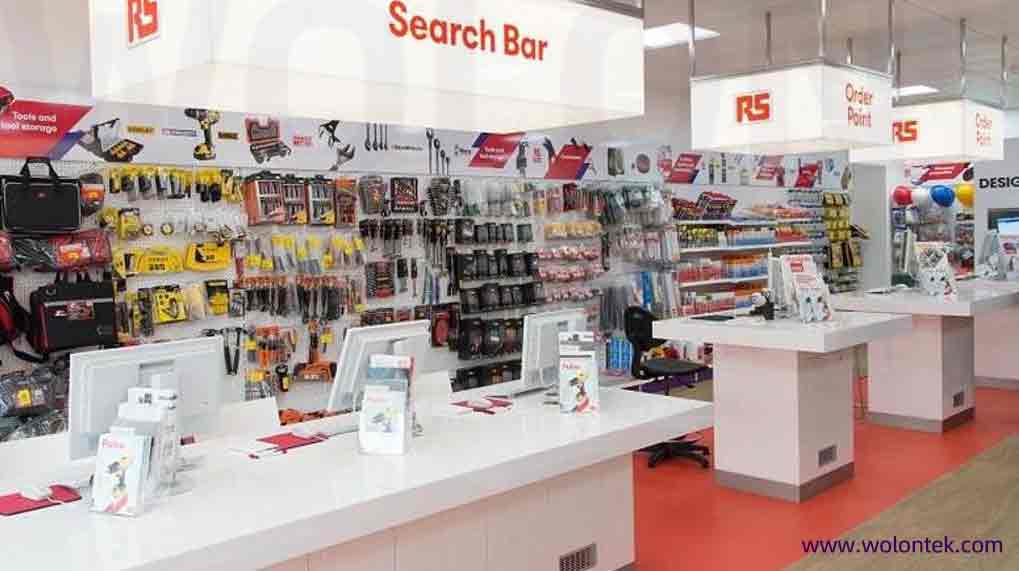
1. The Global Catalog Giants (RS Components, Element14)
We all know them. They are the “emergency room” of electronics.
-
Who they are: RS components, Element14 (Farnell), Mouser.
-
The Good: Speed. If they have stock in their SG warehouse, you get it next day. No questions asked, no minimum order quantity (MOQ).
-
The Bad: The price tag. You are paying premium retail rates. Buying a batch of 10G transceivers here for a project is essentially burning money. Also, don’t expect them to custom-code a module for your specific switch environment—you get what’s in the box.
2. Local Fiber Specialists (FiberTek, Keydence)
These are the solid, established players in the Singaporean market. They know their stuff.
-
Who they are: FiberTek Pte Ltd, Keydence Systems.
-
The Good: They are physically here (e.g., Ang Mo Kio). You can pick up the phone and talk to a support tech. They offer good project support.
-
The Bad: They are still distributors. They import products (often from factories like ours), mark them up to cover their warehousing and Singaporean rental costs, and sell to you. For bulk orders, that “middleman markup” adds up fast.
3. The “Sim Lim Square” Retailers
For the hands-on crowd, there’s always the Rochor area.
-
Who they are: Shops like SGCCTV (Choicecycle) and various counters in Sim Lim Square.
-
The Good: Cash and carry. Great for ad-hoc needs or small CCTV setups.
-
The Bad: It’s a consumer/retail environment. Quality control varies, and you likely won’t find carrier-grade optical gear suitable for a telecom backbone.
The Reality Check: If you are bidding for a project, paying the “local convenience premium” can reduce your net profit by 30% to 50%.
The “Open Secret” of the Supply Chain
Here is the thing most local suppliers won’t explicitly tell you: Almost all these modules come from the same place.
Whether it’s a “local brand” or a generic import, over 70% of the world’s optical communication products originate from China’s “Optics Valley” (Wuhan) and Shenzhen.
For Singaporean businesses, this is your leverage. With today’s logistics, the gap between “buying from China” and “buying local” has practically vanished—except for the price.
The Smart Alternative: Sourcing Direct from Wolon
Instead of searching for another middleman, why not partner directly with the manufacturer?
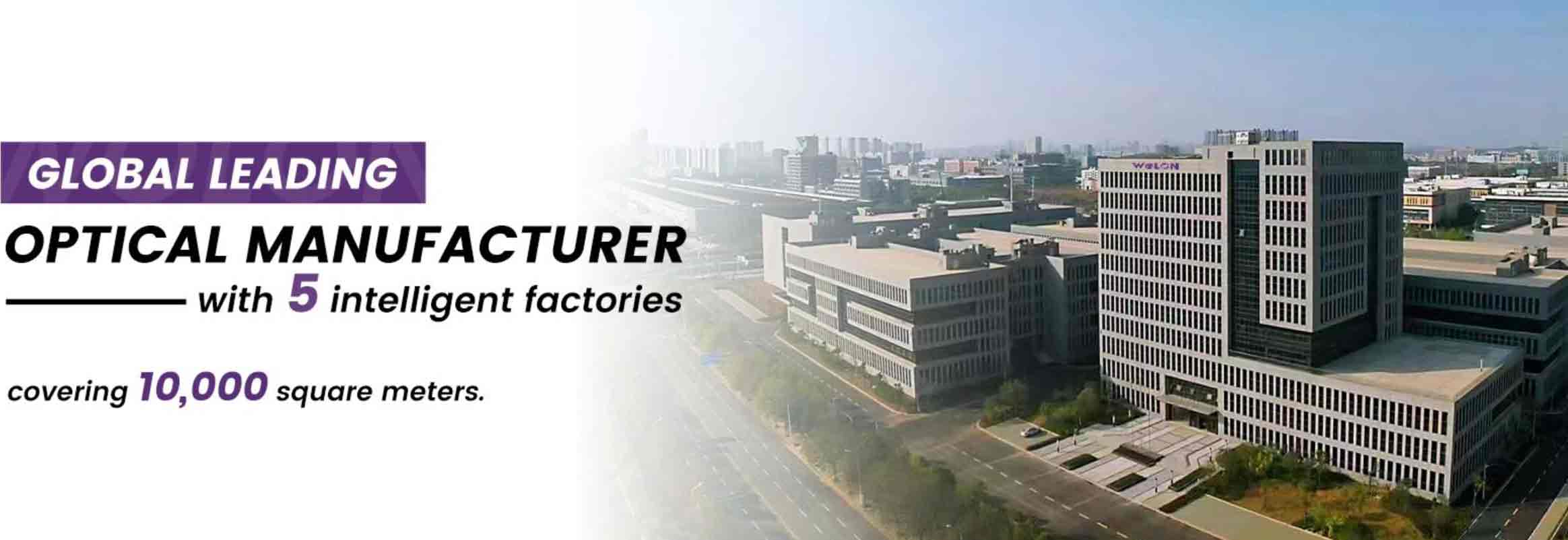
At Wolon, we’ve been the “engine room” for many distributors across Southeast Asia since 2010. We operate 3 factories in Wuhan with over 1,000 employees. Here is why switching to direct sourcing makes sense for the Singapore market:
1. The RCEP Advantage (Zero Tariffs)
This is huge for your bottom line. Under the RCEP agreement, trade between China and Singapore is streamlined. We provide the Certificate of Origin, which typically means zero import tariffs for you. It’s a benefit you don’t get when buying local stock that has already been taxed and marked up.
2. “Next Door” Logistics
People think sourcing from China takes weeks. It doesn’t. Air freight from our factory to Changi Airport typically takes just 3 to 5 days.
-
Scenario: You order 1,000 units on Monday. You could be clearing customs in Singapore by Friday. You wait two extra days compared to local stock, but you save massive amounts on the unit cost.
3. Custom Coding & OEM
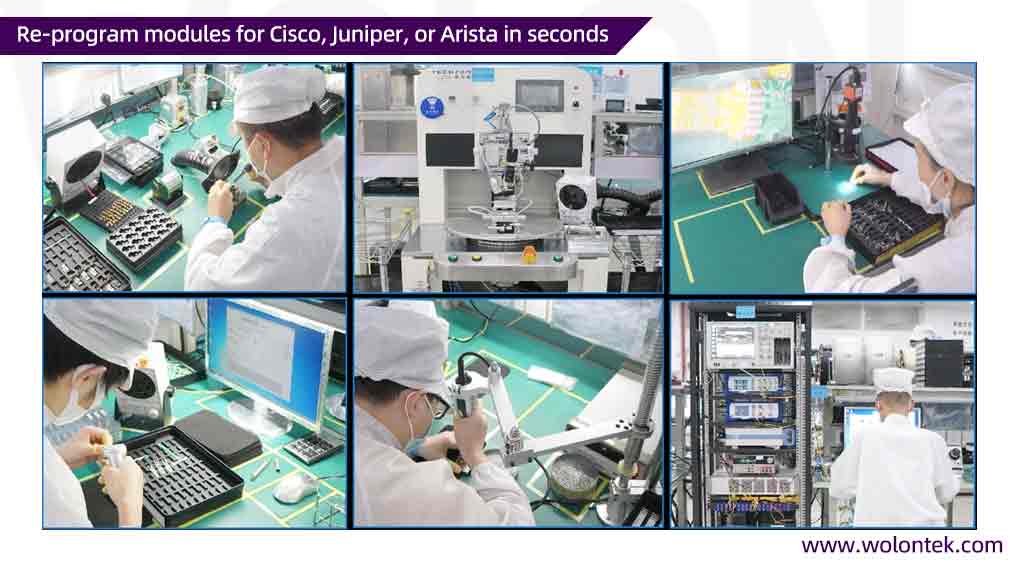
Local stock is usually “generic.” But what if your client uses HP Aruba switches that are picky about coding?
-
The Wolon Fix: We code the transceivers before they ship. We can also print your logo on the label. To your end client, it looks like your product, not ours.
Comparison: Local Distributor vs Wolon Factory Direct
| Feature | Local Singapore Distributor | Wolon (Factory Direct) |
|---|---|---|
| Price | High (Includes Retail Markup) | Factory Wholesale Price |
| MOQ | 1 Unit | Flexible (Small MOQ okay) |
| Lead Time | 1-2 Days | 3-5 Days (Air Freight) |
| Coding | Standard / Generic | Custom (Cisco, HP, Juniper, etc.) |
| Branding | Their Brand | Your Brand (OEM) |
Table: Why buying direct from the Wolon factory is smarter for your business.
*Client details anonymized for privacy.
- Need 1 replacement part today to save a crashing server? Please, run to Sim Lim Square or RS Components. That’s what they are there for.
- But if you are planning a project? Do the math. Don’t let the middleman eat your profits.
(Response within 2 hours — No strings attached)
Conclusion
If you need a single replacement part today to save a crashing server, please, go to RS Components or run to Sim Lim Square. That’s what they are there for.
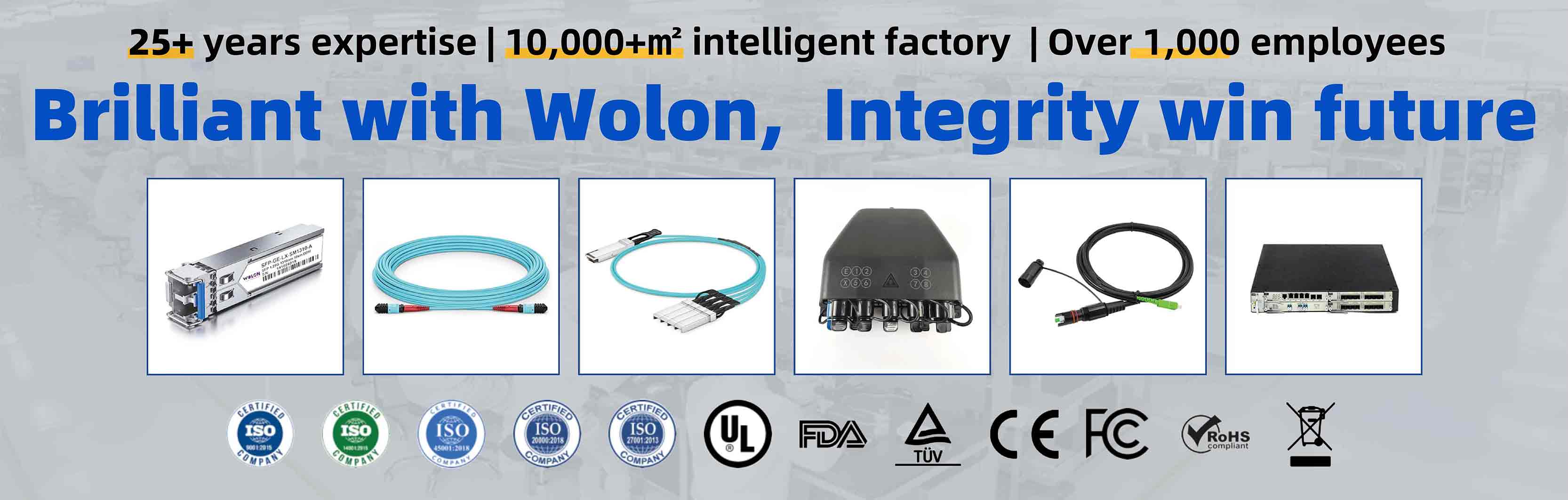
But if you are a distributor, system integrator, or IT manager planning a project, do the math. Sourcing SFP modules directly from Wolon gives you Tier-1 manufacturing quality with factory-level pricing.
Don’t let the middleman eat your profits.
Ready to see the price difference?
Send us your requirements (Type, Distance, Switch Compatibility). We’ll give you a factory-direct quote within 2 hours—no strings attached.
FAQ:Buying SFP Modules in Singapore
Q: Isn’t buying from China much slower than buying locally in Singapore?
A: Not anymore. While local stock is instant, our Air Freight logistics to Changi Airport typically take just 3 to 5 days. For a planned project, this short wait can save you up to 50% on your hardware costs compared to local retail prices.
Q: Do I need to pay heavy import duties if I buy from Wolon?
A: In most cases, No. Thanks to the RCEP agreement between China and Singapore, optical communication products are often eligible for preferential zero-tariff treatment. We provide the necessary Certificate of Origin (Form E) to ensure your shipment clears Singapore Customs smoothly and cost-effectively.
Q: Can Wolon’s modules work with my Cisco, HP, or Huawei switches?
A: Yes. This is our key advantage over generic local stock. We have a dedicated coding lab in our factory. Just tell us your switch model (e.g., Cisco Catalyst 9300 or HPE Aruba), and we will flash the specific EEPROM codes before shipping to guarantee 100% compatibility.
Q: What if a module fails? Do I have to ship it back to China?
A: We offer a 3-Year Warranty. For small failure rates (which are rare), we typically just ship you free replacements with your next order to save shipping costs. You don’t need to worry about complicated return logistics.
Q: Can I buy in small quantities?
A: While we are a factory, we support growing businesses. We accept smaller MOQs (Minimum Order Quantities) for new partners in Singapore to help you test our quality first.