
Choosing the right Direct Attach Copper Cable (DAC) for a data center or enterprise network is a practical decision that balances speed, reach, port density, and cost. Below I compare the three most common DAC form factors — SFP+, QSFP+, and QSFP28 — and give clear guidance on when each is the better fit. Throughout the article I focus only on the title’s question and closely related technical factors, drawing on industry datasheets and vendor guidance to keep every data point accurate and actionable.
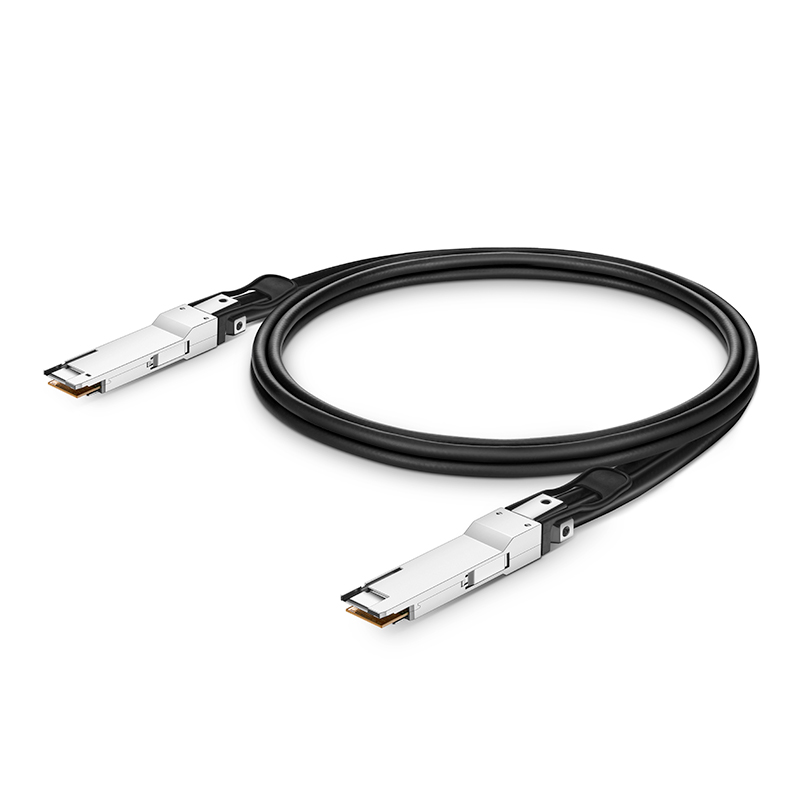
At-a-glance: speeds and lane architectures
-
SFP+ (10G): SFP+ is the workhorse for 10 Gigabit Ethernet links (single lane at 10 Gbps). It’s the smallest form factor and is commonly used for server-to-top-of-rack (ToR) links and short fiber/DAC interconnects.
-
QSFP+ (40G): QSFP+ aggregates four 10 Gbps lanes to deliver 40 Gbps in a single port (4×10G). It’s widely used for uplinks and aggregation in mid-scale deployments.
-
QSFP28 (100G): QSFP28 carries four 25 Gbps lanes (4×25G) and is the mainstream choice for 100G links on modern spine/leaf fabrics; it also supports multi-rate operation in many switches.
If you’re comparing SFP+ DAC Vs Qsfp+ DAC, the essential difference is density and aggregate bandwidth: SFP+ gives you individual 10G endpoints, while QSFP+ consolidates four lanes into one physical connector — trading port density and throughput for larger module size.
Form factor: physical size, port density, and airflow
SFP+ modules are compact: they maximize port count per switch faceplate and are friendly to high-density server NICs.
QSFP+ and QSFP28 are larger but consolidate traffic: one QSFP port can replace four SFP+ ports for uplink or aggregation traffic, reducing cable clutter and lowering cable count between racks.
This port-density tradeoff is the central practical consideration when comparing SFP+ DAC Vs Qsfp+ DAC for ToR vs spine links.
Reach: passive vs active DAC and realistic maximum lengths
DAC cables come in passive and active (or equalized) variants:
-
Passive DACs are low-cost twinax assemblies with no signal conditioning; they are extremely power-efficient but are reliable only over short distances (often up to a few meters). For high-speed form factors, vendors typically list passive QSFP28 DACs as limited to around 5 m max for error-free operation in standard conditions.
-
Active/equalized DACs add electronics to extend reach and preserve signal integrity over longer twinax runs — useful when you need 7–10 m or more for QSFP+ or SFP+ links. Practical deployments commonly use passive SFP+ DACs at 0.5–3 m and active SFP+ DACs up to 7 m where needed.
When weighing SFP+ DAC Vs Qsfp+ DAC, examine the required cable lengths. If all links are sub-3 m, passive QSFP+/QSFP28 or SFP+ DACs often give the best price/performance. If you need several meters of reach, prioritize active/equalized options.
Breakouts, flexibility and migration paths
A major advantage of QSFP form factors is breakout capability: a single QSFP+ or QSFP28 port can break out to four SFP+ or four 25G SFP28 ports respectively. That enables flexible migration — e.g., use QSFP+ for a 40G uplink today and later break it into four 10G server links without replacing the cabling. Breakout DACs are common and cost-effective in leaf/spine and ToR scenarios.
Thus, when deciding SFP+ DAC Vs Qsfp+ DAC, factor in whether you need breakout flexibility: QSFP+ offers a straightforward upgrade path from many 10G fleets.
Power, heat, and reliability
Passive DACs consume negligible power; active DACs add modest per-port power and some heat.
QSFP28 modules, when active, may draw slightly more power than SFP+ active DACs because they operate at higher per-lane speeds and may contain more signal conditioning. In dense racks every watt matters — if power budget and cooling are tight, lean toward passive SFP+ for short links or carefully compare active DAC power specs for QSFP+/QSFP28 when planning large deployments.
Vendor datasheets and switch port power available must be checked before procurement.
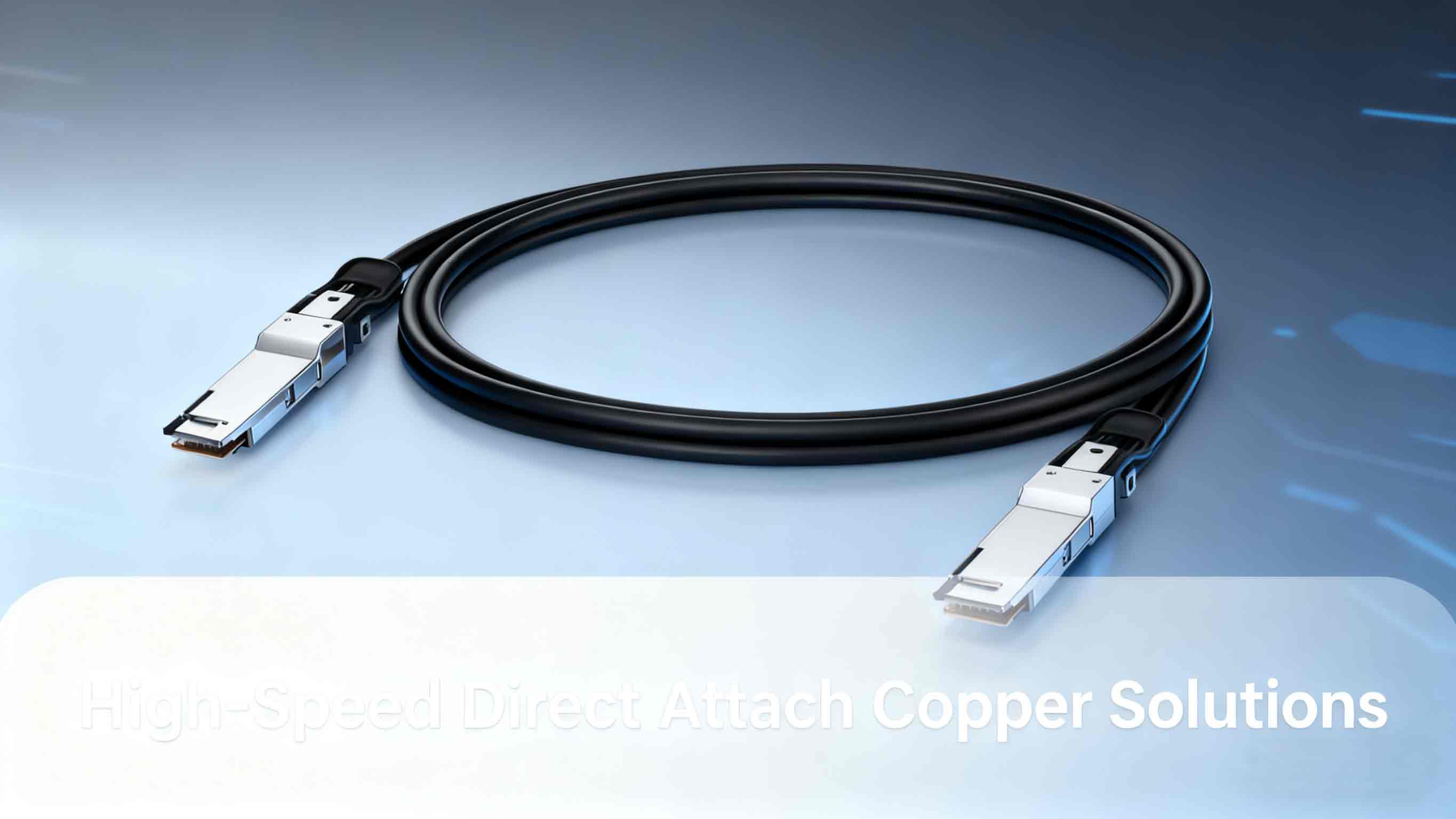
Cost and procurement — real dollars and vendor compatibility
-
Unit cost: Per-meter cost generally rises with form factor and active electronics. Passive SFP+ DACs are cheapest per link; QSFP+ and QSFP28 DACs cost more, and active/equalized types add further premium.
-
Total cost of ownership: Consolidation with QSFP+ (fewer cables, fewer ports, less switch faceplate real-estate) can lower operational complexity and potentially lower total spend at scale.
-
Compatibility and coding: Many switch vendors require “programmed” DACs (vendor-coded EEPROM). Buying third-party compatible DAC cables is common and economical, but always confirm support lists and return policies to avoid interoperability problems. Use vendor-approved part numbers when you need guaranteed compatibility.
When comparing SFP+ DAC Vs Qsfp+ DAC, calculate not only per-unit cable price but also switch port amortization, power, and future migration savings.
Use-case recommendations
-
Top-of-Rack server-to-switch, 10G everywhere: Use SFP+ DAC when port density and lowest per-link cost are priorities.
-
Uplinks between ToR and aggregation/spine: Use QSFP+ (40G) DAC to consolidate multiple 10G lanes and simplify cabling — especially if you plan to evolve to higher speeds later.
-
High-performance leaf/spine or 100G aggregation: Use QSFP28 DAC for 100G links (or multi-rate QSFP28 that can carry 4×25G). QSFP28 is the right choice for backbone links and HPC clusters.
If you still feel torn in a specific topology, choose based on the immediate need (bandwidth per link and reach) and on your upgrade path: that often resolves the SFP+ DAC Vs Qsfp+ DAC question.
Conclusion
Choosing between SFP+, QSFP+, and QSFP28 DACs is less about “which is best” and more about matching form factor to function. Use SFP+ for dense 10G endpoints, QSFP+ to consolidate 40G aggregation links or enable breakout flexibility, and QSFP28 for 100G backbone links where capacity takes priority. Evaluate reach (passive vs active), power, and long-term topology plans to resolve the SFP+ DAC Vs Qsfp+ DAC tradeoffs with confidence.
WOLON’s Direct Attach Copper Cable (DAC) lineup offers cost-efficient, thoroughly tested SFP+, QSFP+, and QSFP28 assemblies for ToR, aggregation, and spine-leaf deployments.
Each WOLON DAC cable is individually tested for BER performance, carries clear passive/active labeling and length markings, and is available in both vendor-programmed and vendor-neutral options to suit mixed-vendor networks.
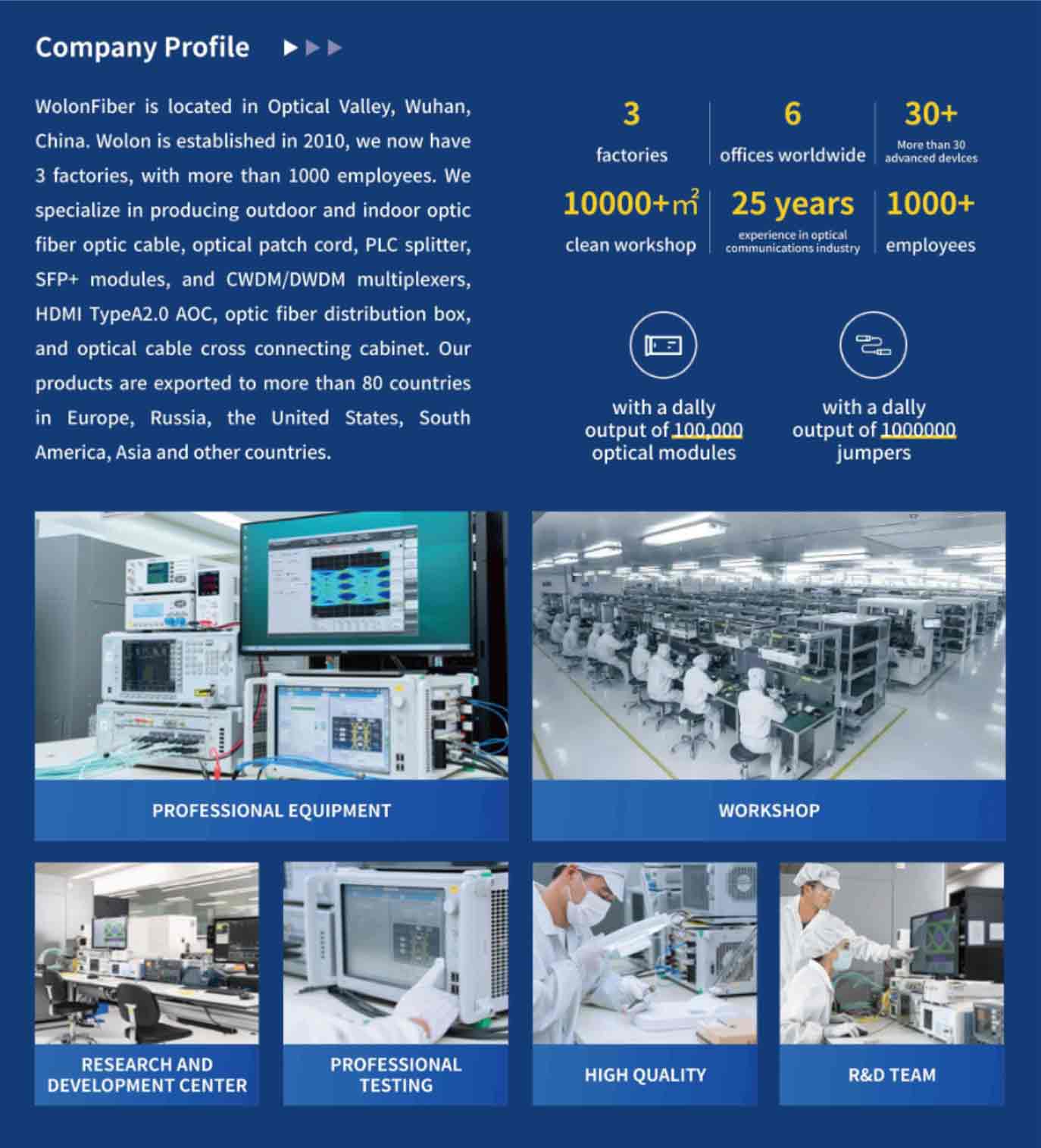
If you need short-reach, low-power 10G interconnects or high-density 100G QSFP28 links with breakout flexibility, WOLON provides ready-to-deploy Dac Cable bundles and custom lengths backed by production-grade QA and a warranty tailored for data center use.