Understanding Optical transceiver Pricing helps procurement, network planning, and total cost-of-ownership decisions. This article compares typical cost ranges across speeds and transceiver types, explains why prices vary, and gives practical guidance for choosing the right optics for a given budget and performance requirement. All price bands below are market-observed ranges (OEM-branded vs compatible/third-party) and are supported by current distributor and reseller listings.
Price bands by speed and common module types
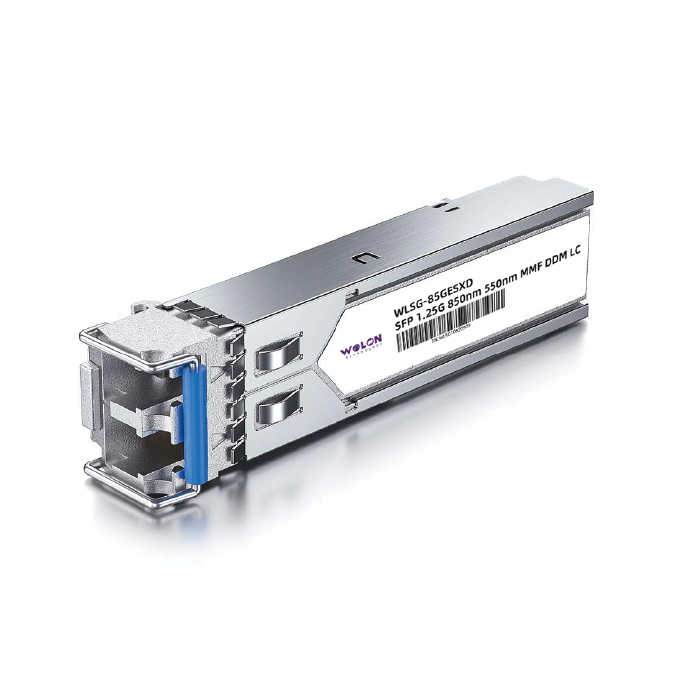
1 Gb/s SFP (1G) Optical transceiver
For basic 1000BASE-SX/LX SFPs the market shows a wide gap between brand-name modules and compatible third-party units. Branded vendor modules (Cisco/HPE/Juniper) can be priced substantially higher through official channels, while compatible SFPs sold on marketplace and third-party distributor sites commonly retail for single-digit to low-two-digit US dollars per unit. Use-case: short-reach enterprise links and legacy aggregation ports. (See typical retail listings for reference.)
Typical range (street): $5 – $120
-
Low end: generic/compatible 1G SFPs ($5–$25).
-
High end: OEM-branded or special-spec parts (industrial/extended temp) ($60–$120+).
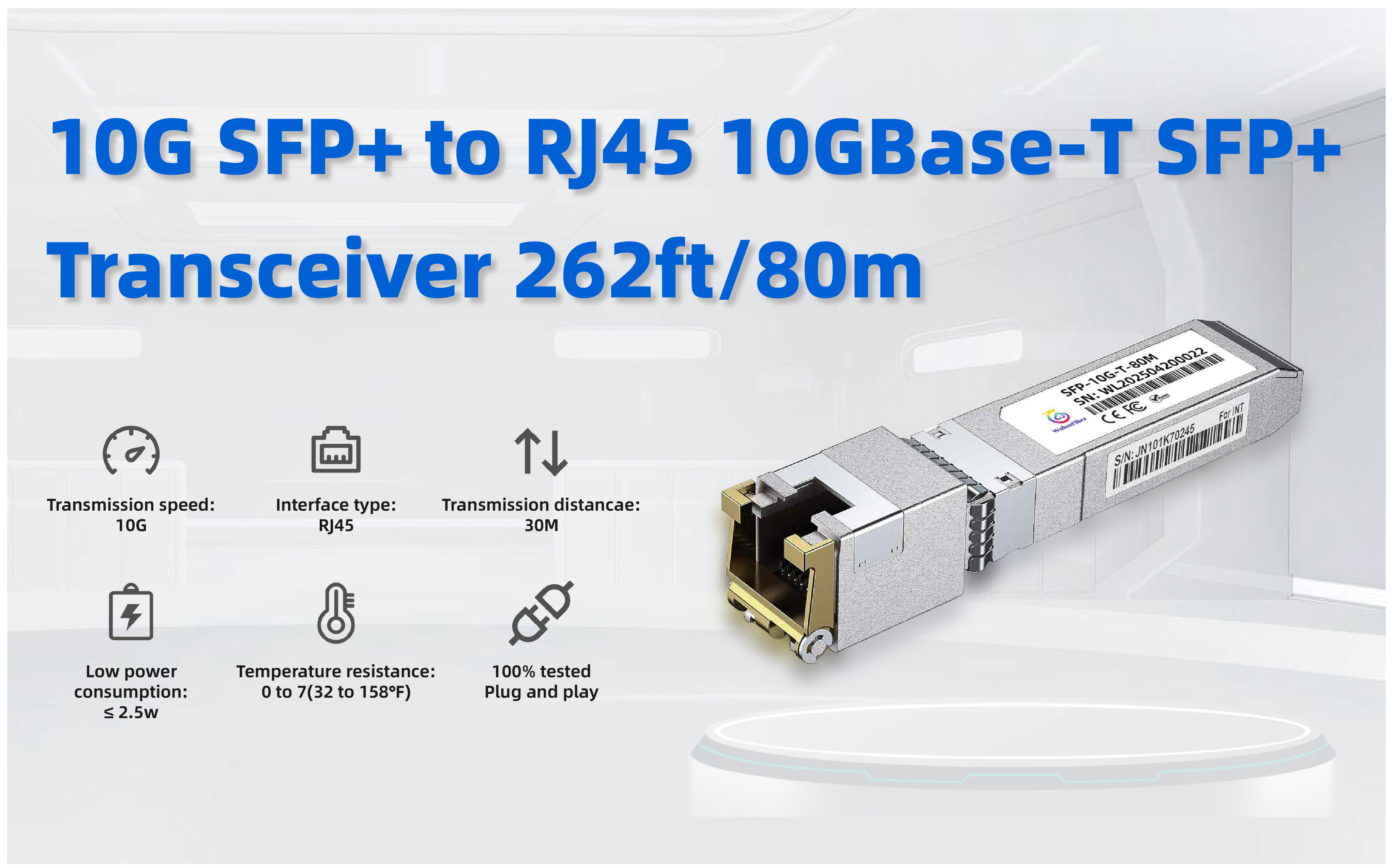
10 Gb/s SFP+ (10G) Optical transceiver
10G optics remain a staple in data-center uplinks. Compatible 10G SR SFP+ modules often sell for tens of dollars, while genuine OEM modules or long-reach (LR, ER) DFB parts push into the hundreds. For many installers, the decision balances warranty/compatibility assurances with immediate CAPEX savings from compatible parts.
Typical range (street): $20 – $300
-
Low end: compatible 10G SR modules ($20–$60).
-
High end: branded LR/ER/XFP or vendor-guaranteed modules ($100–$300+).
25 Gb/s SFP28 (25G) Optical transceiver
25G SFP28 pricing has compressed quickly as multiple compatible suppliers entered the market. Low-cost listings for 25G SR SFP28 modules can be under $30 for volume purchases, while branded transceivers from major OEMs or specialized single-mode 25G parts can cost several hundred dollars through authorized resellers. This creates a large practical delta between “market” and “authorized” channels.
Typical range (street): $16 – $900
-
Low end: generic 25G SR SFP28 ($16–$80).
-
High end: OEM enterprise 25G single-mode or vendor-listed parts ($200–$900).
40 Gb/s QSFP+ (40G) Optical transceiver
40G QSFP+ modules for MMF SR4 links are among the most cost-efficient high-speed options; compatible 40G SR4 MPO modules can be found at modest prices. LR4 or specialized packaged solutions are noticeably pricier, reflecting the added optical complexity.
Typical range (street): $40 – $1,000
-
Low end: compatible 40G SR4 modules ($40–$150).
-
High end: branded LR4, WDM or vendor-certified parts ($300–$1,000+).
100 Gb/s QSFP28 (100G) Optical transceiver
100G pricing is the most variable: short-reach MMF OEM-compatible modules can be relatively affordable, while single-lambda 100G (DR/FR/DR4) or Coherent 100G DWDM/C long-haul units carry much higher premiums. The arrival of low-cost compatible 100G QSFP28 modules has driven down entry prices for short-reach data-center ports; conversely, carrier-grade DWDM and coherent pluggables remain specialized and expensive.
Typical range (street): $35 – $20,000+
-
Low end: compatible 100G SR/short-reach modules ($35–$250).
-
Mid: vendor-certified CWDM/CWDM4 or LR parts ($200–$1,000).
-
High end: DWDM/coherent 100G transceivers for metro/long-haul ($2,000–$20,000+).
DACs and AOCs (copper & active cables)
Direct-Attach Copper (DAC) and Active Optical Cables (AOC) provide fixed-length, lower-latency links between ports. Passive DACs at 10G are extremely inexpensive for short lengths; AOCs and longer or higher-speed DACs cost more but still often undercut separate optics + patching costs for short interconnects.
Typical range (street): $10 – $500
-
10G DAC short (1m): often $15–$40.
-
40G/100G AOC (1m–5m): $50–$500 depending on length and speed.

Why prices vary so widely — four driving factors
1.Technology complexity and components. Single-mode DFB lasers, coherent optics and tunable DWDM components are costly to design and manufacture, so long-reach and DWDM modules command large premiums compared with VCSEL-based short-reach SR modules.
2.Branding, support and channel. OEM-branded parts include vendor qualification, warranty and compatibility guarantees that many buyers value; authorized reseller pricing reflects that added assurance. Third-party compatibles sacrifice official vendor warranty for lower unit price.
3.Volume and market maturity. As production volumes rise and multiple suppliers enter a segment (e.g., 25G SFP28 or 100G SR), commodity prices fall. Conversely, niche small-volume parts (tunable transceivers, special temperature ranges) remain expensive.
4.Distance/reach and optics type. MMF SR modules are cheaper because VCSELs and MPO terminations are lower cost than single-mode DFB lasers and precision wavelength stabilization needed for long-haul or DWDM applications.
Practical buying tips to reduce total cost
1.request sample testing of compatible optics on representative hardware before large purchases.
2.Negotiate volume discounts and get firm warranty/return terms.
3Track DOM/telemetry and failure trends—early detection reduces replacement churn.
4.Use DAC/AOC where appropriate to avoid extra optics and patch-panel costs for short, fixed-length links.
WOLON manufactures a broad optical module lineup (SFP, SFP+, SFP28, QSFP/QSFP28) designed to deliver competitive pricing while meeting industry MSAs and DOM/diagnostic expectations. For customers focused on lower unit cost without sacrificing tested interoperability, WOLON offers economical compatible optics and guidance on selection, validation and lifecycle management to minimize both procurement and operational expense.