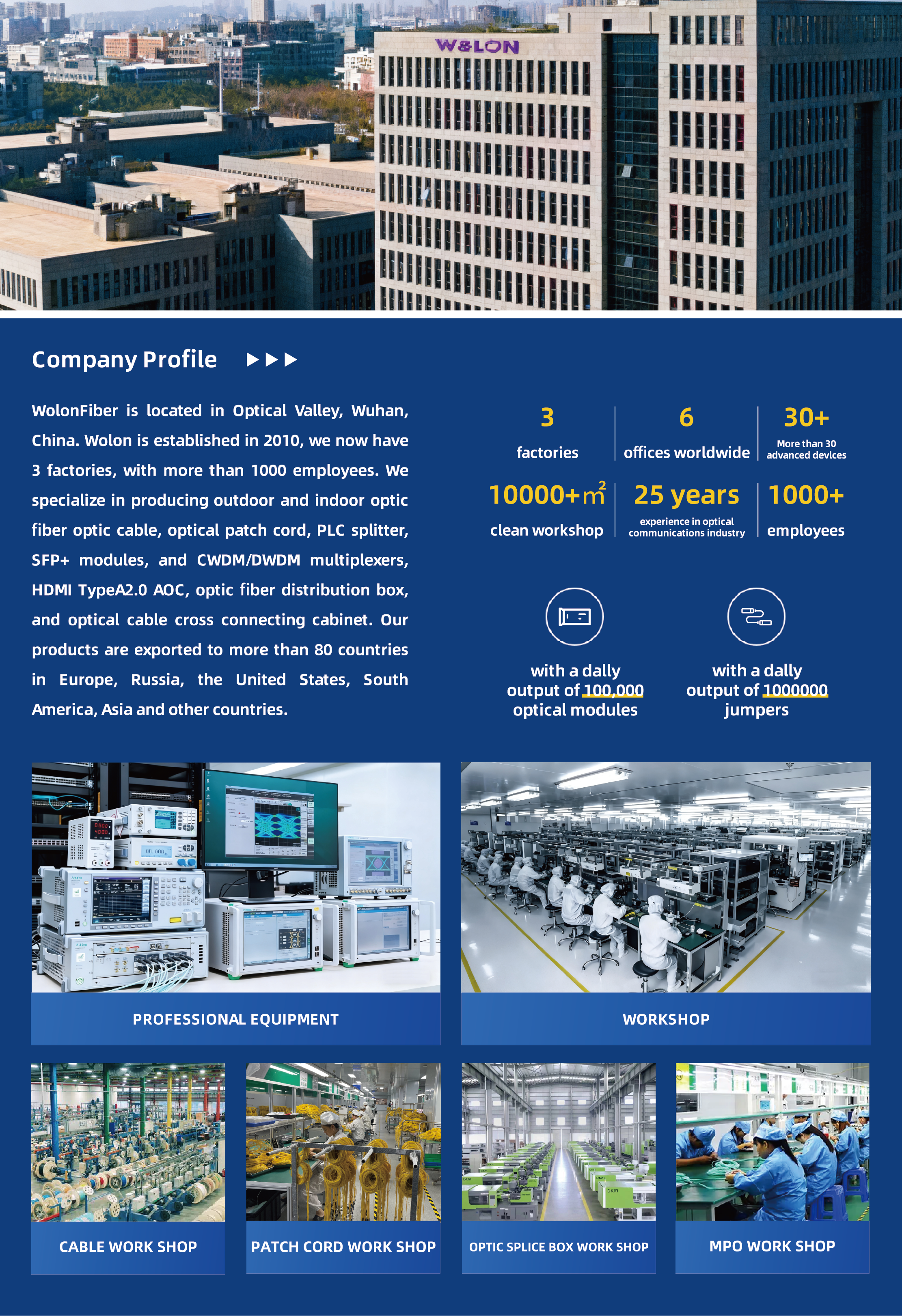
When you specify or buy fiber cables, the jacket material and fire rating are as important as fiber type and connector. This short guide explains the commonly used materials — LSZH and PVC — how industry fire-rating systems (plenum, riser, vertical flame tests) work, and practical tradeoffs so you can pick the right cable for the space and code requirements. The focus here is strictly on fiber cable fire ratings and the flame-resistant options available.
Why fire ratings matter for fiber cabling
Cables that burn can spread flames, produce dense smoke, and release corrosive or toxic gases. Those effects pose risks to people (toxicity and visibility during evacuation), to equipment (corrosive deposits on electronics), and to compliance (building codes and insurance). Fire performance testing and labeling let designers choose cables that limit flame spread, smoke density, and halogen-acid emissions in specific installation environments.
The common jacket materials: LSZH vs PVC
LSZH (Low Smoke, Zero Halogen)
LSZH jackets are formulated without halogenated additives (chlorine, bromine, etc.). When LSZH compounds burn they produce much less dense smoke and essentially no halogen-acid gases (like hydrochloric acid) that would corrode equipment or harm people. Because of that, LSZH is preferred in confined or poorly ventilated public spaces (metros, tunnels, airplanes, hospitals) and in many modern building specifications — provided the LSZH material has been independently tested and certified.
Tradeoffs: LSZH compounds can be stiffer and cost more than standard PVC formulations. Also, “LSZH” is a family of formulations — true safety depends on test reports (IEC 60754, IEC 61034) and reputable third-party certification.
PVC (Polyvinyl chloride)
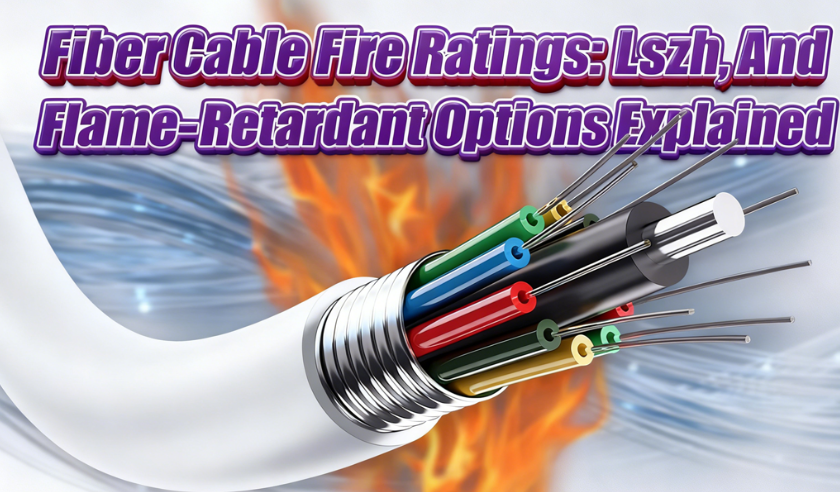
PVC is ubiquitous because it’s flexible, low-cost, and easy to process. PVC can be formulated with flame retardants to meet certain vertical-burn or UL ratings, but when it burns it commonly produces dense black smoke and halogen-containing acidic gases that are hazardous to people and equipment. For that reason PVC jackets are often restricted from air-handling plenum spaces or crowded public transit environments unless they meet additional low-smoke/halogen criteria.
The ratings and tests you’ll see on data sheets (what they mean)
Plenum (OFNP / CMP / NFPA 262)
Plenum-rated cables are tested to stringent plenum standards (NFPA-262 / former UL-910) that measure flame spread and smoke during an extended burn in a tunnel (Steiner or similar). These are the strictest common ratings and are required for installation in building plenum or air-handling spaces. If a spec calls for “plenum rated,” that is the highest level of fire performance for general cabling.
Riser (OFNR / CMR)
Riser cables are tested for vertical flame propagation in a single-cable vertical test (IEC 60332 family or equivalent) to ensure flame does not travel between floors. Riser ratings are less strict than plenum but still prevent sustained flame propagation in vertical shafts. Riser cables are suitable for vertical runs between floors but not for plenum (air-handling) spaces.
OFNP / OFCP / OFNR (NEC categories)
In North America, optical fiber cabling is commonly labeled OFNP (optical fiber nonconductive plenum), OFCP (conductive plenum), OFNR (optical fiber nonconductive riser), etc. These labels map to the NEC and NFPA test regimes and tell installers where a cable may legally be used. Always cross-check the label with local code and building plans.
IEC 60332, IEC 61034, IEC 60754 and smoke/halogen tests
-
IEC 60332 (vertical flame tests) measures flame propagation on a single cable specimen and is commonly used to qualify riser or vertical performance.
-
IEC 61034 measures smoke density in a 3-m³ chamber (important for visibility and evacuation).
-
IEC 60754 measures halogen-acid emission and acidity (key for LSZH claims). A cable claiming “halogen-free” should reference IEC 60754 test results or equivalent.
Flame-retardant options beyond jacket chemistry
Manufacturers also control fire behavior by additives, layered constructions (e.g., flame-retardant inner layers), fillers, and by using different polymer blends designed to char and self-extinguish. Some market offerings combine LSZH jackets with plenum or riser performance targets, but those combinations must be validated by test reports — marketing labels alone aren’t proof. For critical installations, insist on the actual test certificate from a recognized lab (NRTL, Intertek, UL or equivalent).
How to choose: practical guidance
-
Follow the code first. Check local building and fire codes: if cable runs enter plenum/air-handling spaces you’ll likely need plenum-rated (OFNP/CMP) cable. If cables run between floors in risers, choose riser-rated (OFNR/CMR).
-
Prioritize life-safety and critical equipment. In hospitals, transit hubs, data centers and enclosed public spaces, low-smoke, halogen-free (LSZH/LSHF) and/or plenum ratings reduce both human and equipment risk.
-
Ask for test certificates. request IEC and NFPA/NRTL test reports (IEC 60332, IEC 61034, IEC 60754, NFPA-262/UL-910) from the vendor. “LSZH” or “halogen-free” without test data is not sufficient.
-
Balance cost and flexibility. PVC can be fine for outdoor ducts or non-public cable trays, where halogen emission and smoke are less critical; LSZH costs more but offers safety benefits in enclosed or populated spaces.
Specifier’s quick checklist (before purchase)
-
Required installation space: plenum, riser, general-purpose? (NEC / local code)
-
Required tests/certificates: NFPA-262 (plenum), IEC 60332, IEC 61034, IEC 60754 — ask for lab reports.
-
Mechanical needs: flexibility, bend radius, outdoor vs indoor UV resistance.
-
Budget vs safety: weigh long-term equipment and life-safety risk against upfront savings.
-
Traceability: supplier, batch numbers, and third-party test reports.
Short conclusion
Choosing the right jacket and fire rating for fiber cabling is a safety and code decision, not only a cost one. LSZH is the go-to when low smoke and zero halogen are required; PVC remains common where cost and flexibility matter and halogen/ smoke concerns are limited; plenum and riser ratings (NFPA-262/OFNP and IEC 60332/OFNR respectively) govern where each cable may be legally and safely installed. Always demand up-to-date third-party test certificates for any fire-performance claims.
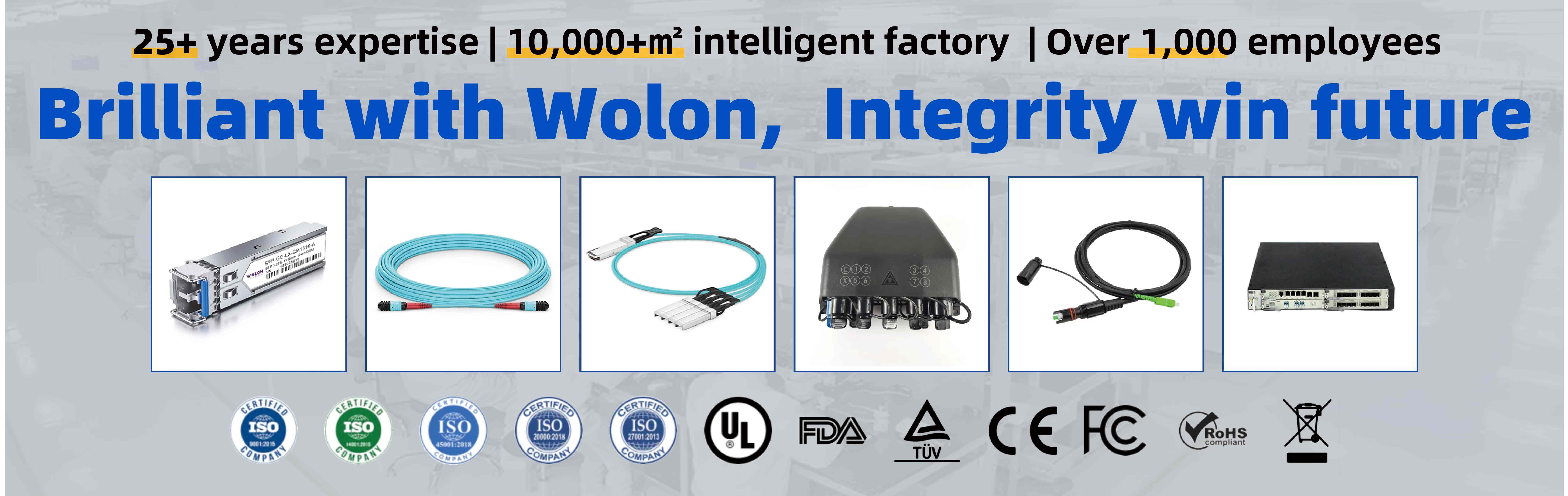
For projects that demand both optical performance and responsible fire behavior, WOLON offers a family of fiber optic modules and cable assemblies engineered for professional installations. Our range includes LSZH-jacketed patchcords, riser and plenum-qualified assemblies, and OEM optical transceivers tested to industry standards. Each product is backed by material and test documentation, so you can specify with confidence and meet local code requirements while keeping installation and operational reliability top of mind.