
“How much does 1km of 24-core outdoor fiber cable cost?”
This is the most common question our sales team receives at Wolon. It sounds simple, but if you have searched online, you know that finding a static fiber optic cable price list is almost impossible. Most websites just say “Contact us.”
Why? Is it a secret?
No. It’s because fiber optic cable manufacturing is a commodity business driven by raw material fluctuations. The price of Glass Fiber (Preform), Copper, and Petroleum (for PE jackets) changes daily. A quote valid today might be invalid next week.
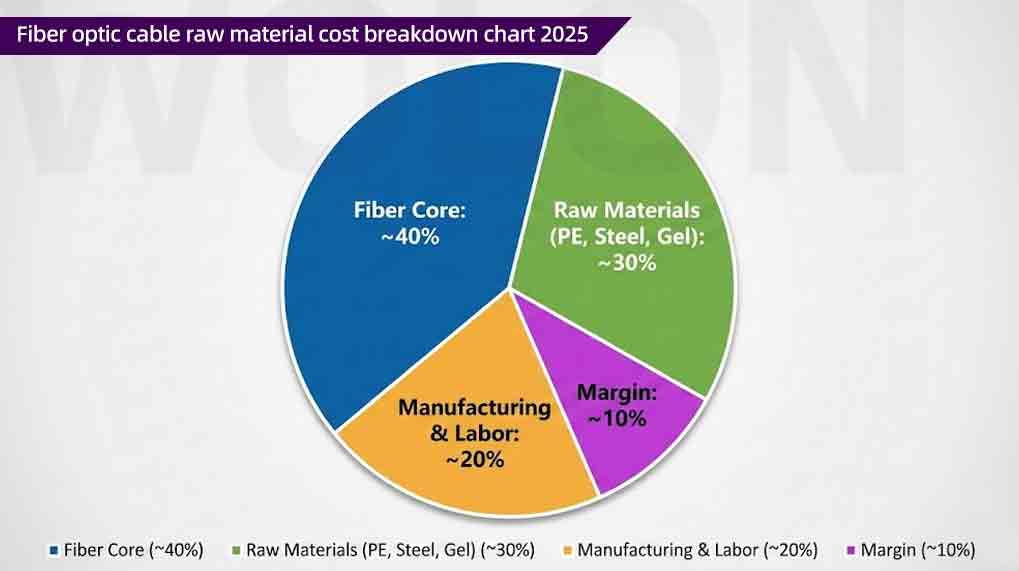
Figure 1:Fiber optic cable raw material cost breakdown chart 2025
However, as a procurement manager, you need to budget. In this 2025 guide, we will pull back the curtain on how Chinese manufacturers calculate prices. We will explain the 5 hidden factors that influence your cost per meter and teach you how to negotiate the best deal with a factory like Wolon.
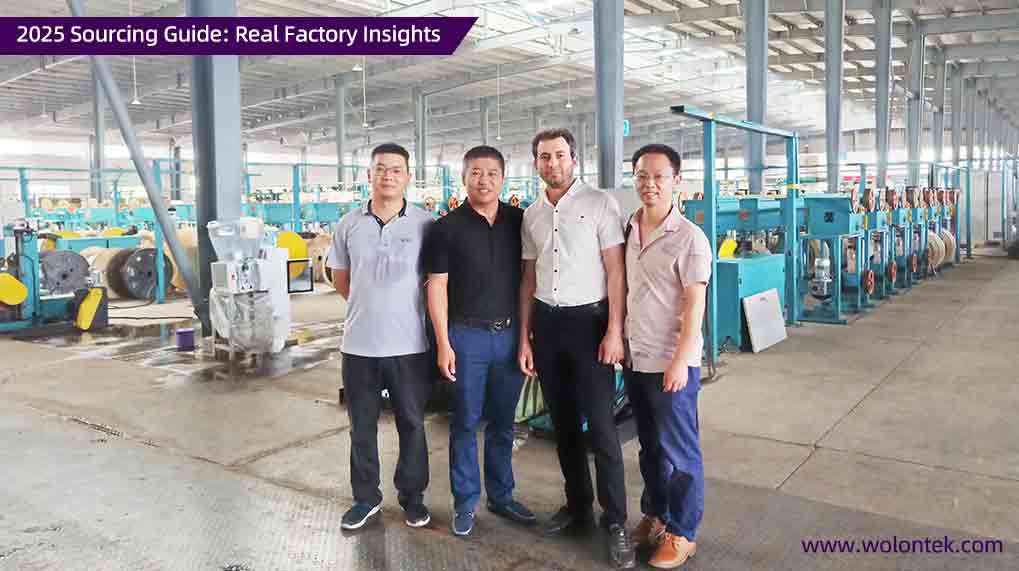
Figure 2:Wolon fiber optic cable manufacturing plant warehouse in China
Factor 1: The “Guts” of the Cable (Fiber Brand & Count)
The most expensive component in your cable is the optical fiber itself.
1.Fiber Count: It’s not a linear increase. A 48-core cable isn’t exactly double the price of a 24-core cable, because the manufacturing process (extrusion) costs remain similar. The “sweet spot” for price-per-fiber is often in high-count cables (like 96 or 144 cores).
2.Fiber Brand: This is a common area where specifications are often compromised.
Tier 1 (Premium): Brands like Corning, YOFC, or FiberHome. These cost more but guarantee low attenuation (<0.35dB/km) and longevity.
Tier 2 (Generic): Local Chinese brands. They are 10-15% cheaper but may suffer from macro-bending loss over time.
Wolon’s Promise: We specify the fiber brand in every Proforma Invoice (PI). If you pay for Corning, you get Corning.

Figure 3:Fiber optic cable Technical cross-Section
Factor 2: Construction Materials (Armor & Jacket)
Your project environment dictates the cable structure, which heavily impacts the weight and price.
Jacket Material:
-
PE (Polyethylene): The standard for Outdoor Cables. It relies on oil prices. When oil goes up, PE goes up.
-
LSZH (Low Smoke Zero Halogen): Essential for indoor fire safety. It costs approx. 15-20% more than standard PE.
Armoring:
-
Corrugated Steel Tape (CST): Used for anti-rodent protection. It adds significant weight (increasing shipping costs).
-
Aramid Yarn (Kevlar): Used in ADSS Cables for aerial spans. Kevlar is expensive. A long-span ADSS (e.g., 200m span) requires more Kevlar, making it 30-40% more expensive than a short-span (50m) version.
Pro Tip: Don’t over-spec. If you are burying cable in a safe trench, you might not need double-armoring. Ask our engineers for a cost-effective alternative.
Factor 3: The “MOQ” Trap (Volume Discounts)
Manufacturing fiber cable requires setting up massive extrusion lines. Starting the machine for just 1km of cable wastes a lot of raw material during the warm-up and calibration phase.
This is why Minimum Order Quantity (MOQ) affects price:
-
Order < 2km: A “Machine Setup Surcharge” applies.
-
Order = 1 Container (approx. 30km): The machine runs continuously. Efficiency is maxed out. You get the lowest factory base price.
Recommendation: If you only need 3km for a project, consider buying 5km and keeping the rest as stock. The bulk discount often covers the cost of the extra cable.
Factor 4: Packaging & Drum Size
Many buyers forget to calculate the “cost of air.”
If you order standard 2km drums, a 20ft container might be filled with empty space because the drums don’t stack perfectly. At Wolon, we calculate the optimal Drum Length (e.g., 3km or 4km per drum) to maximize container space.
-
Optimized Loading: We can fit 20-30% more cable into the same container.
-
Result: Your shipping cost per meter drops significantly.

Figure 4:Optimized container loading to save shipping costs
2025 Price Trends: What to Expect?
While we can’t publish a static list, here are the market trends we are seeing for Q4 2025:
1.Copper & Steel: Prices have stabilized, making Armored Cables more affordable than in 2024.
2.Exchange Rate: The USD/RMB exchange rate fluctuates. Buying from a factory that offers price locking (validity for 14-30 days) is crucial.
3.Lead Times: Due to high global demand for FTTH drop cables, lead times are stretching. Planning 4 weeks ahead can save you “rush order” fees.
Conclusion: How to Get an Accurate Quote?
To get the best possible price from a Chinese manufacturer, vague inquiries won’t work. You need to send a detailed RFQ (request for Quotation).
Copy this checklist for your next inquiry to Wolon:
-
Fiber Type: (e.g., G.652D, 24 Core)
-
Structure: (e.g., GYTS, ADSS with 100m span)
-
Quantity: (e.g., 10km or 1 Container)
-
Destination Port: (for CIF shipping calculation)

Ready to finalize your 2025 procurement budget?
Our sales engineers update our raw material pricing daily. Click below to get a real-time quote valid for 15 days.
>> Request Today’s Factory Price List <<
Frequently Asked Questions (Price & Payment)
Q: Do you offer a price list in PDF format?
A: We can provide a Standard Price List for common items like FTTH Drop Cables and Patch Cords. However, for bulk outdoor cables (ADSS/GYTA), we calculate custom prices based on current copper/fiber rates to ensure you don’t overpay.
Q: What is your payment term for new customers?
A: Typically, we work on 30% Deposit (T/T) to start production and 70% Balance before shipment. For long-term partners, we can negotiate L/C (Letter of Credit) or credit terms.
Q: Does the price include shipping?
A: Our standard quotes are FOB Shenzhen/Shanghai (Free on Board), meaning we cover the cost to get goods to the port. If you need a CIF quote (including sea freight to your country), please provide your nearest port name.
Q: Why is your price lower than my local supplier?
A: Because you are cutting out the middleman. Your local supplier likely buys from a factory like Wolontek, adds shipping, warehousing, and a 30% margin. Buying direct removes two layers of cost.