
OUR BLOG

Hot-Pluggable Transceivers: What It Means and Why It Matters
A single engineering feature — the ability to remove or insert a module while a system is powered — substantially affects how networks are designed, operated and maintained. This article explains precisely what “hot-pluggable” means for optical transceivers, compares...

What Is DDM/DOM in Optical Transceivers and Why It Matters
What Is DDM/DOM in Optical TransceiversDigital Diagnostic Monitoring (DDM), also commonly called Digital Optical Monitoring (DOM), is the standardized capability inside modern optical transceivers that reports the module’s internal operating state back to the host...
Transmitter vs Receiver vs Transceiver: Clear Differences Explained
Understanding the roles of the transmitter, receiver, and transceiver is essential for anyone specifying or troubleshooting modern fiber-optic or electronic networks. This article gives a focused, technical comparison of each device class — what they do, how they’re...

Single-Mode vs Multi-Mode Transceivers: How to Choose Correctly
Operating Wavelength and Core SizeChoosing the right transceiver starts with two physical facts: operating wavelength and fiber core size. These define which Optical Modules match which cables, how far a link can go, and what installation precision is...

Can You Mix Single-Mode and Multi-Mode Transceivers? Best Practices
Overview of Single-Mode and Multi-Mode CompatibilitySingle-mode (SMF) and multi-mode fiber (MMF) use different core sizes, sources and wavelengths. These differences determine which transceivers work with which fiber and how far signals can travel. Understanding the...

What Is a BiDi Transceiver and When Should You Use One?
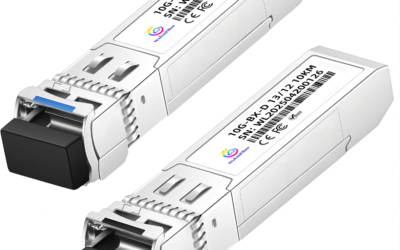
What Is a BiDi Transceiver?Traditional optical transceivers need two fibers. One fiber transmits data. The other fiber receives data. BiDi transceivers work differently. They use wavelength division multiplexing (WDM) technology.A BiDi transceiver is an optical module...