Understanding the roles of the transmitter, receiver, and transceiver is essential for anyone specifying or troubleshooting modern fiber-optic or electronic networks. This article gives a focused, technical comparison of each device class — what they do, how they’re built, where they’re used, and the practical trade-offs when you choose one over another.
1.What a Transmitter Is
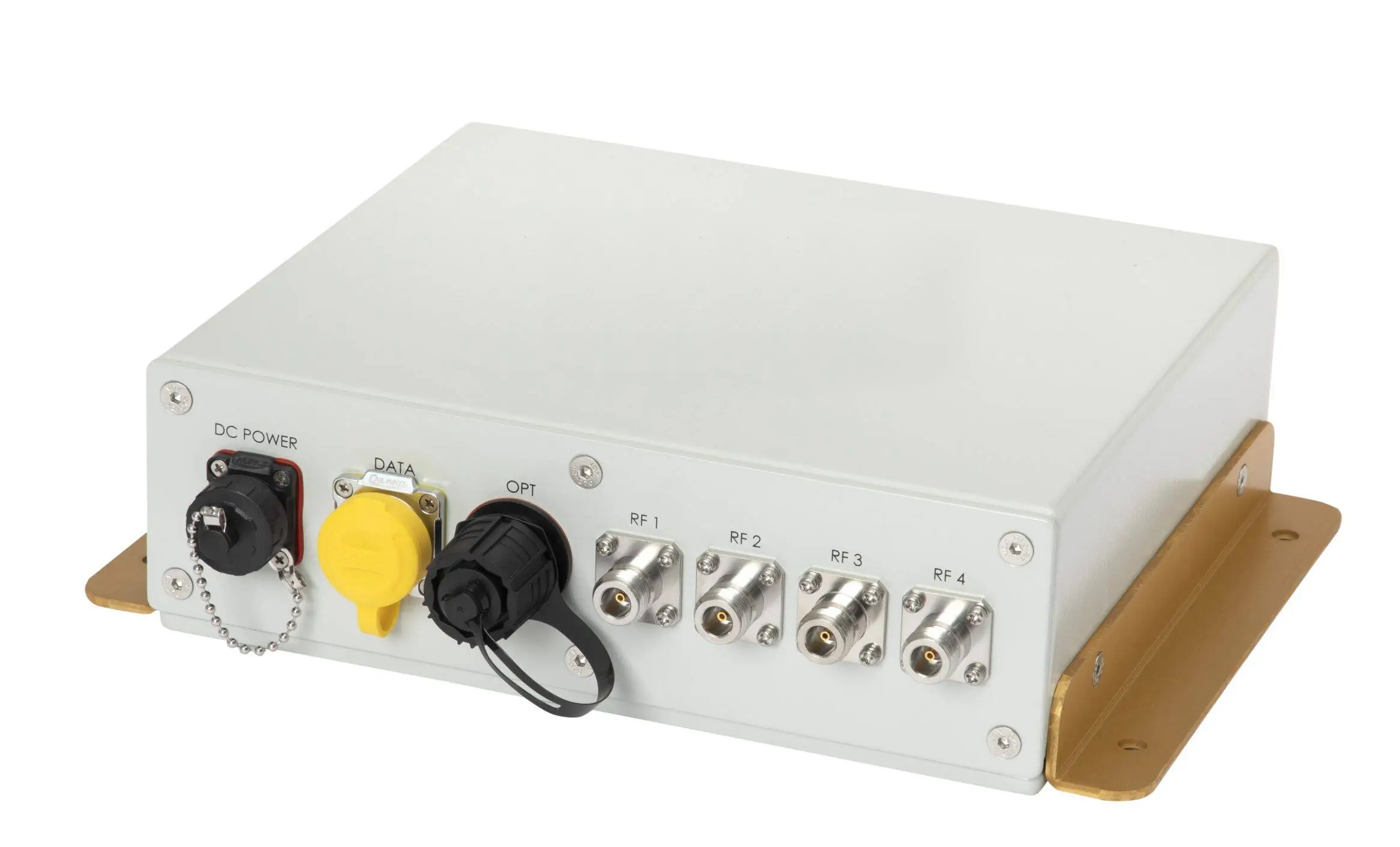
A transmitter converts an electrical data signal into an optical (or radio) signal and launches that energy into the physical medium. In fiber optics the transmitter is typically built around an optical source — most commonly a laser diode (DFB, FP) or a VCSEL — or, for lower-speed links, an LED. The transmitter’s electronics condition the electrical waveform, provide modulation drive current to the light source, and manage parameters such as bias current and temperature so the emitted light matches the target wavelength and power level.
Key technical points about transmitters:
-
They are directional: they only send energy out.
-
The light source type (LED vs laser) strongly affects data rate, spectral width, and maximum reach.
-
Transmitters require driver electronics and often thermal control for stable wavelength and power.
2. What a Receiver Is
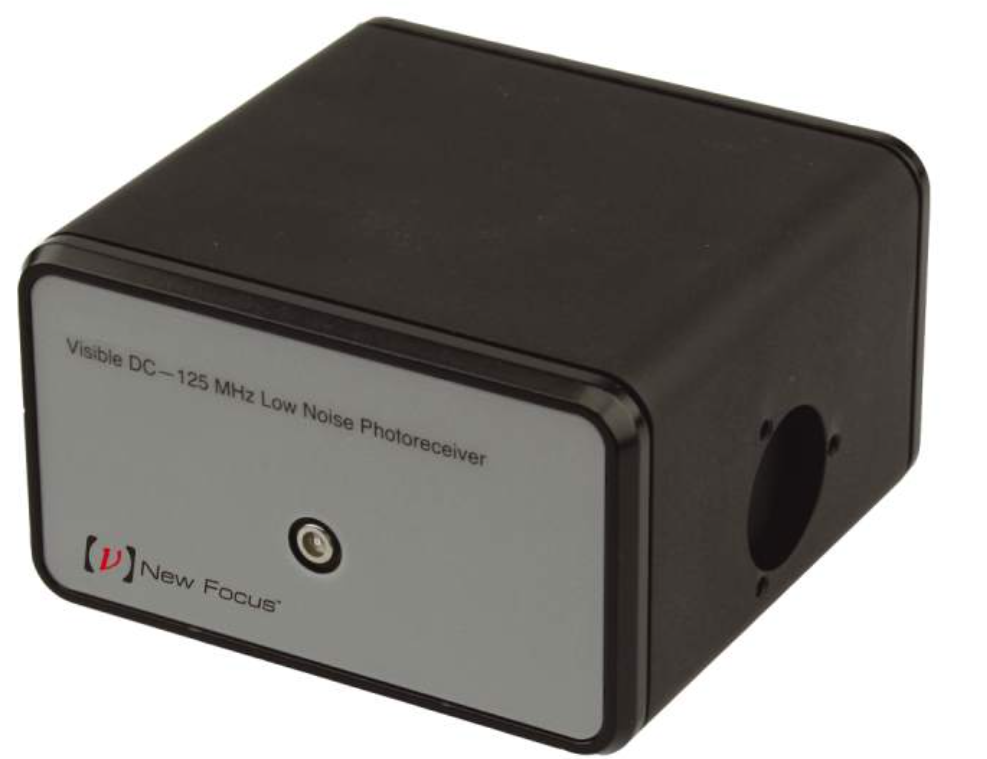
A receiver performs the inverse job: it captures incoming optical energy and converts it back into an electrical signal suitable for digital logic. The optical front end typically uses a photodetector (PIN diode or APD) to produce a current proportional to received light. That tiny current is amplified and converted to a voltage by a transimpedance amplifier (TIA) and then shaped by additional amplifiers and clock/data recovery stages to reconstruct the original bit stream. Because the received signal can be extremely weak and noisy, the receiver’s front-end design — sensitivity, noise figure, and bandwidth — determines practical link budget and reach.
Important receiver characteristics:
-
Sensitivity (minimum optical power for acceptable BER).
-
Bandwidth (limits maximum data rate).
-
Use of preamplifiers or APDs to extend reach in long-haul or high-loss links.
3. What a Transceiver Is
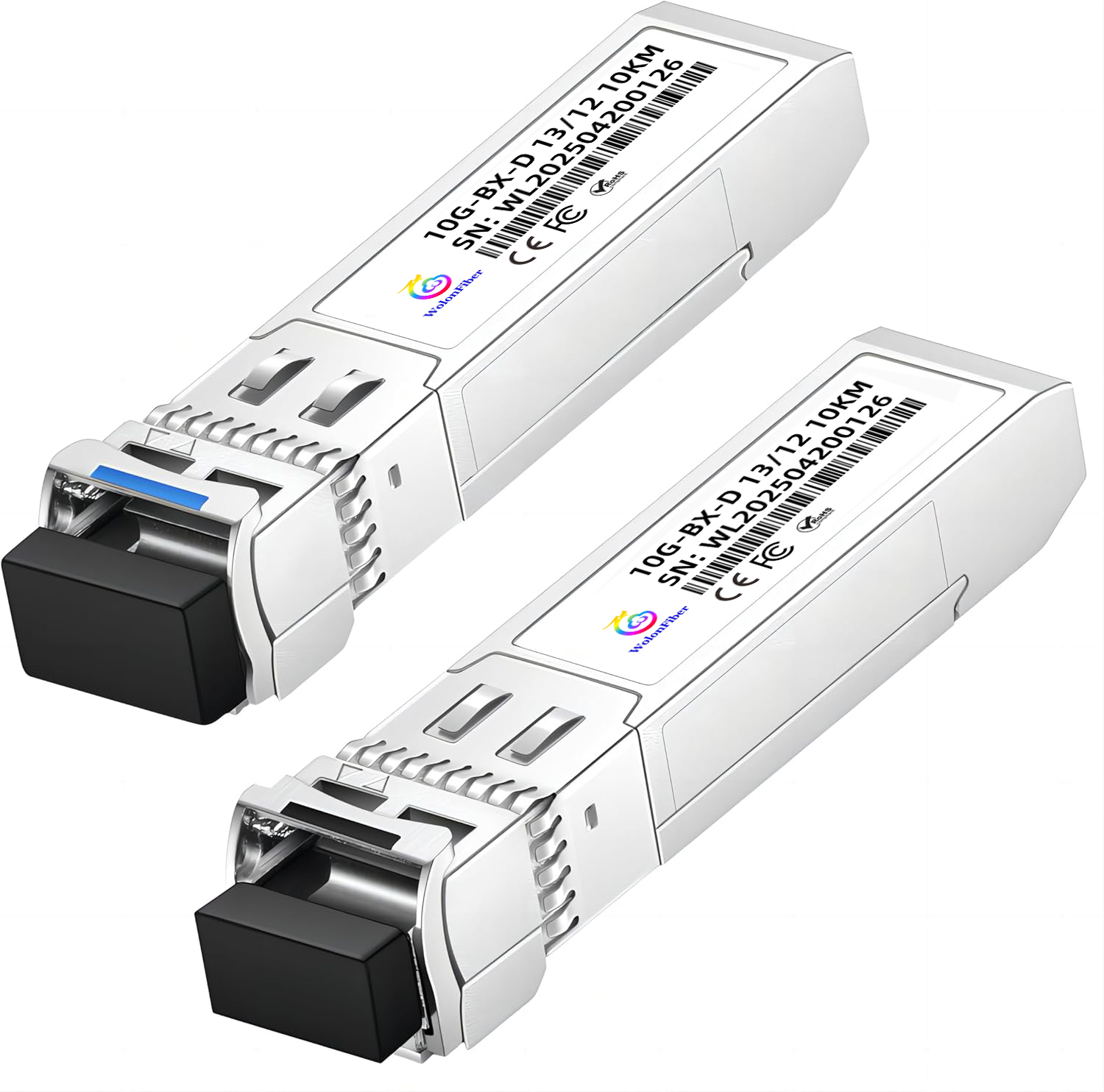
A transceiver combines both transmitter and receiver functions into a single package or module. In networking hardware, transceivers (SFP, SFP+, QSFP, etc.) contain the laser/VCSEL, photodiode, TIAs, driver ICs, and necessary control/EEPROM data in one hot-swappable unit. The integration simplifies system design (one module per port), provides media flexibility (swap optics to change wavelength, reach or medium), and reduces board-level RF/optical layout complexity.
Practical advantages of transceivers:
-
Modularity: swap optics to support different fiber types and distances.
-
Standardization: defined electrical and mechanical interfaces make them broadly interoperable.
-
Serviceability: hot-pluggable replacement without powering down systems.
4. Direct Technical Comparison
Directionality and Role
Transmitter: one-way (send only).
Receiver: one-way (receive only).
Transceiver: bi-directional support in the sense that a single physical module handles both transmit and receive paths (though each optical fiber may still be simplex or duplex).
Physical packaging
-
Standalone transmitters or receivers exist in specialized equipment (e.g., laser transmit units in free-space optics or discrete photoreceiver front ends).
-
Transceivers are packaged for network gear (SFP, QSFP) and include both optical and control subsystems.
Complexity of electronics
-
A transmitter needs driver circuitry and thermal/wavelength control.
-
A receiver needs a sensitive photodetector and low-noise amplification (TIA), usually with AGC or equalization.
-
A transceiver contains both sets plus the supporting logic (EEPROM, diagnostic monitoring).
Performance trade-offs
Cost: a dedicated transmitter or receiver alone can be cheaper than a full transceiver if an application really needs only one function. However, in most network ports the integrated transceiver is the economical, space-saving choice.
Flexibility: transceivers let you change media without redesigning the host; standalone transmitters/receivers are used when integration into a custom optical subsystem is required.
Space & thermal: a transceiver concentrates heat and requires thermal considerations at the module level; discrete optics may distribute thermal load differently.
5. Use-case examples (when to choose which)
Use a transmitter (send-only) when you are building a transmitter array, a point-to-multipoint broadcast where each endpoint only needs to receive, or a custom free-space optical link designed with separate receiver hardware. For certain lab, sensing or broadcast systems a single-function transmitter is acceptable.
Use a receiver (receive-only) when the system must prioritize extreme sensitivity or bespoke signal processing (e.g., instrumentation, LIDAR front-ends, or optical sensing where manufacturer wants a custom TIA chain).
Use a transceiver when you need modular, hot-swappable ports in networking equipment — data centers, carrier switches, routers, and most enterprise gear. For most Ethernet or fiber channel interfaces, a transceiver module like SFP/SFP+/QSFP is the standard approach because it bundles the necessary optical Tx/Rx and control logic.
6. Choosing between them — practical checklist
1.Function: Do you need both send and receive on the same physical port? If yes → transceiver.
2.Flexibility: Want to change wavelength/reach without replacing the whole board? Choose a transceiver module.
3.Performance: Need ultra-sensitive detection or bespoke modulation? Consider a dedicated receiver/transmitter front end.
4.Cost & volume: For high volume where only one function is needed, discrete devices can save cost. For typical networking gear, transceivers lower total operational cost via standardization.
5.Form factor & power: Verify thermal budget and slot compatibility (SFP, SFP+, QSFP families have clear electrical and mechanical specs).
7. Short summary — clear differences in one glance
Transmitter: converts electrical → optical; send-only; uses laser/LED and driver circuits.
Receiver: converts optical → electrical; receive-only; uses photodiode + TIA and amplifiers.
Transceiver: integrates both in one module; modular, hot-swappable; prevalent in networking hardware such as SFP/QSFP.

If you’re specifying optics for switches, servers, or carrier links and prefer vendor-qualified transceivers, WOLON’s optical module series offers a wide range of SFP/SFP+/SFP28 and QSFP modules engineered to industry standards. WOLON transceivers combine high-quality DFB/VCSEL transmitters, low-noise TIAs, and robust diagnostic monitoring (DOM) for reliable link deployment and easy hot-swap maintenance. For projects that demand predictable interoperability and strong after-sales support, consider WOLON’s tested portfolio as a drop-in solution.